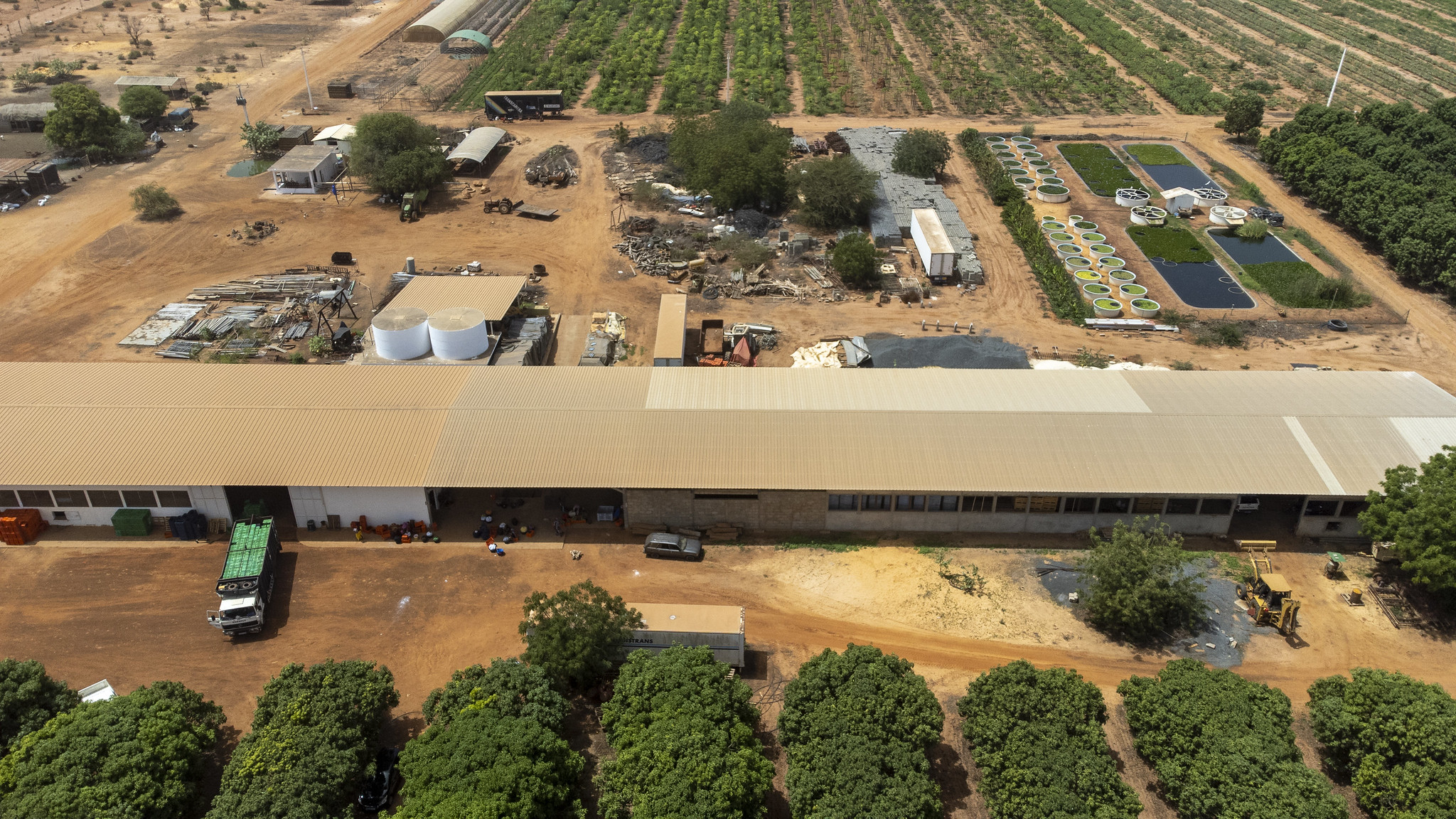
This project aims to strengthen Ethiopia’s national phytosanitary system to support safe trade in pulses and horticultural products. It provides timely support to Ethiopia’s emerging phytosanitary system by addressing critical gaps in technical capacity, legislation, pest information management and operational procedures within the country’s newly established National Plant Protection Organization (NPPO), the Ethiopian Agricultural Authority (EAA).
The project also supports Ethiopia’s commitments under the African Continental Free Trade Area (AfCFTA) and aligns with the African Union SPS Policy Framework and the SPS Strategy for Africa, contributing to regional integration and trade facilitation. By strengthening Ethiopia’s phytosanitary system, the project will improve compliance with international standards, enable earlier detection of regulated pests, and reduce the costs associated with emergency pest responses. Together, these efforts aim to build a more efficient and trusted phytosanitary system that supports Ethiopia’s long-term trade competitiveness.
Ethiopia’s pulse and horticulture sectors are important contributors to export earnings and employment. Pulse production covers around 2 million hectares and generated over US$800 million in export revenues in 2024, while the horticulture sector employs approximately 200,000 people and earned US$564 million, largely from cut flowers. Despite strong government commitment and investments in cold-chain infrastructure, both sectors face compliance risks. These include pest infestations, poor post-harvest practices, pesticide residue concerns and weak certification systems, all of which threaten access to export markets.
At the national level, Ethiopia’s phytosanitary system continues to face structural and operational challenges that limit confidence in plant export certification and control systems. These challenges include the lack of harmonized standard operating procedures for core phytosanitary functions, such as import inspection, pest risk analysis, surveillance and export certification, alongside limited technical capacity within the NPPO to meet International Plant Protection Convention (IPPC) requirements. Additional constraints include an outdated and incomplete legislative framework, fragmented pest data, and the absence of a centralized digital system for managing information on regulated pests. Addressing these systemic gaps is essential to protect plant health, safeguard market access and ensure the sustainability of Ethiopia’s agricultural exports.