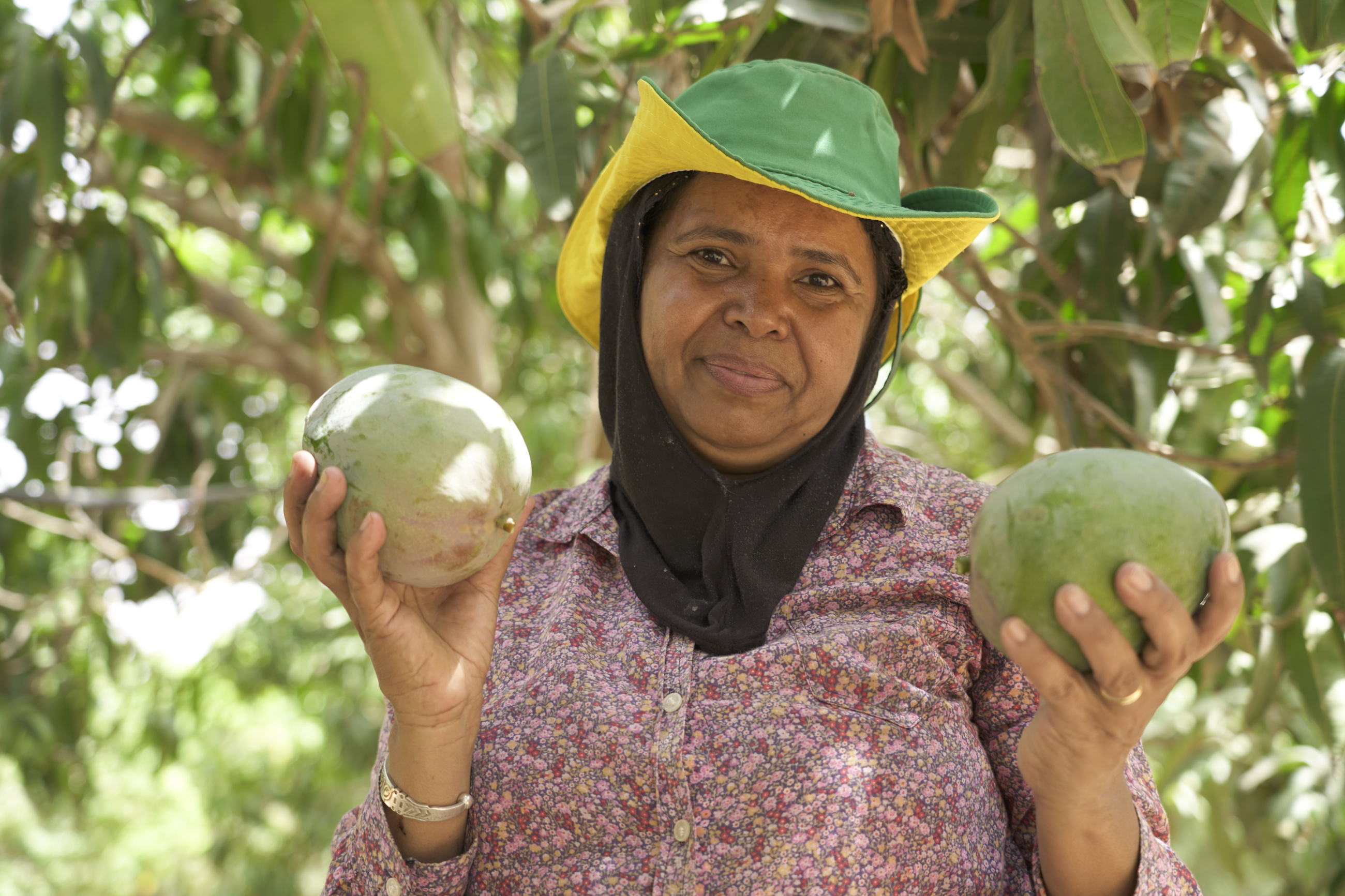
The project aims to strengthen sanitary and phytosanitary (SPS) compliance and improve safe trade in mangoes from Kenya, Senegal, Cameroon and Madagascar through sustainable fruit fly management. It responds to increasing export interceptions caused by Bactrocera dorsalis, an invasive quarantine pest, by improving pest surveillance, certification systems and the management of Areas of Low Pest Prevalence (ALPPs).
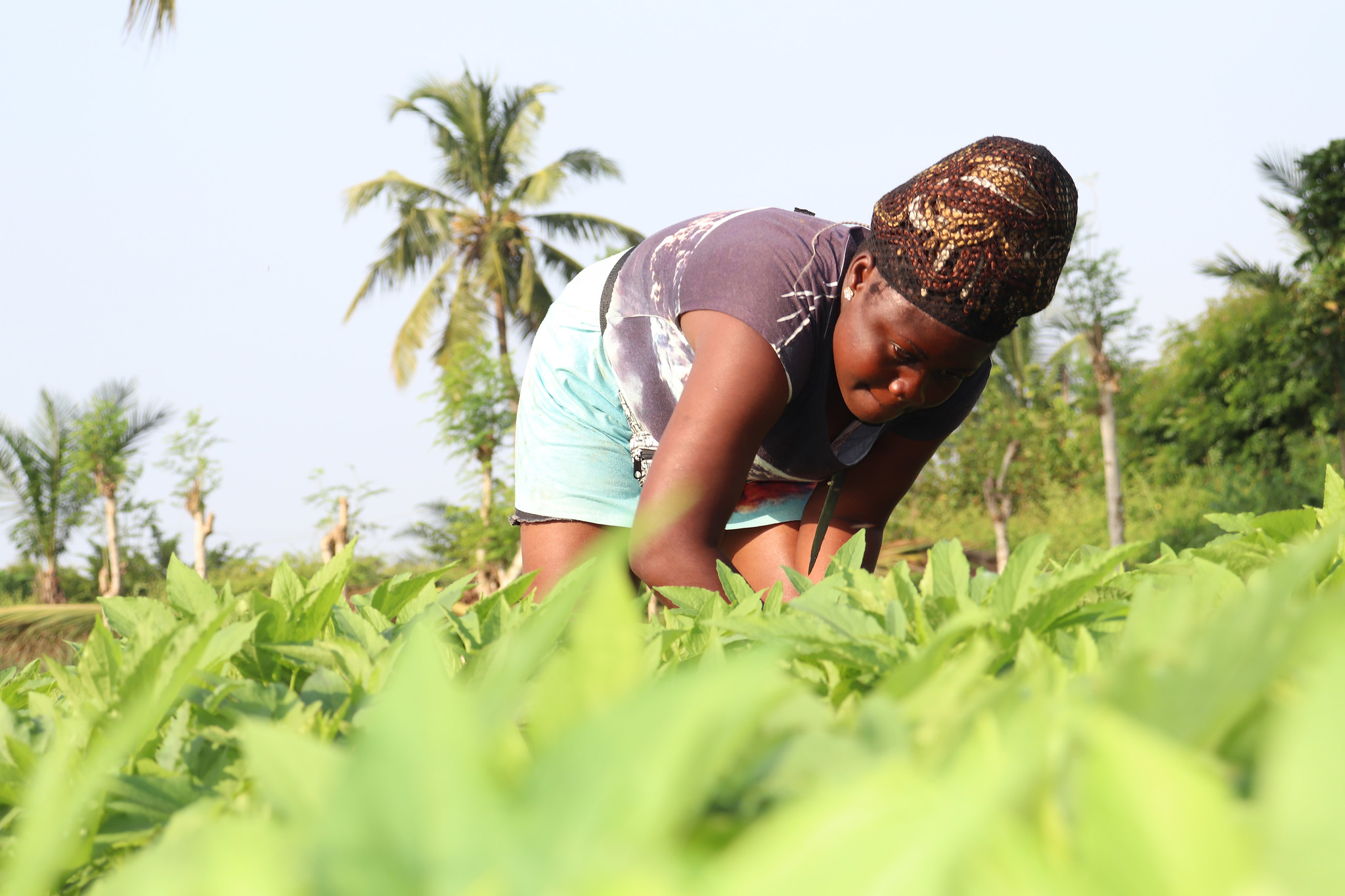
A key innovation is the local cultivation and processing of Ocimum tenuiflorum (basil), a natural source of methyl eugenol, an effective fruit fly attractant. By supporting farmers, cottage industries and micro-, small- and medium-sized enterprises (MSMEs) to produce methyl eugenol locally, the project will make fruit fly management more affordable and sustainable while creating new income opportunities.
The project will also establish pilot ALPPs, strengthen surveillance and monitoring systems, and build the capacity of National Plant Protection Organization (NPPO) staff.
Together, these activities aim to reduce export interceptions, facilitate market access and enhance the competitiveness of mango exports from the participating countries.
Between 2015 and 2025, the European Union intercepted 1,345 fruit and vegetable consignments from Africa due to Bactrocera dorsalis infestations, with mangoes accounting for 62% of these cases. These interceptions have led to stricter import controls, disrupted exports and, in some instances, temporary self-imposed export restrictions while countries strengthened their sanitary and phytosanitary (SPS) systems.
A major constraint is the high cost and limited availability of imported methyl eugenol, a key component of fruit fly monitoring and suppression. By promoting the local production of methyl eugenol from Ocimum tenuiflorum (basil), the project will improve access to affordable fruit fly management tools, support the sustainability of Areas of Low Pest Prevalence, and strengthen SPS-compliant mango production and trade.