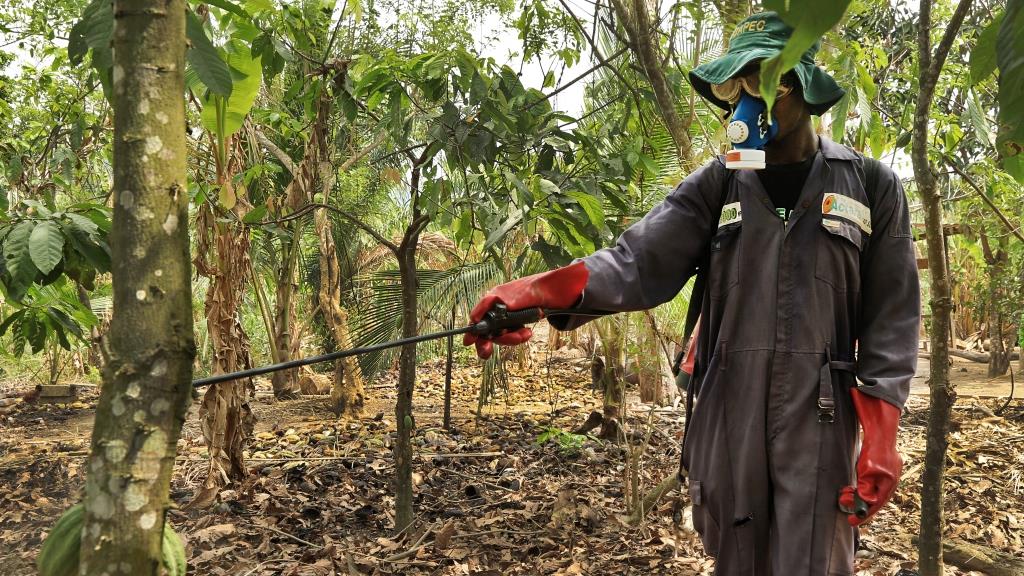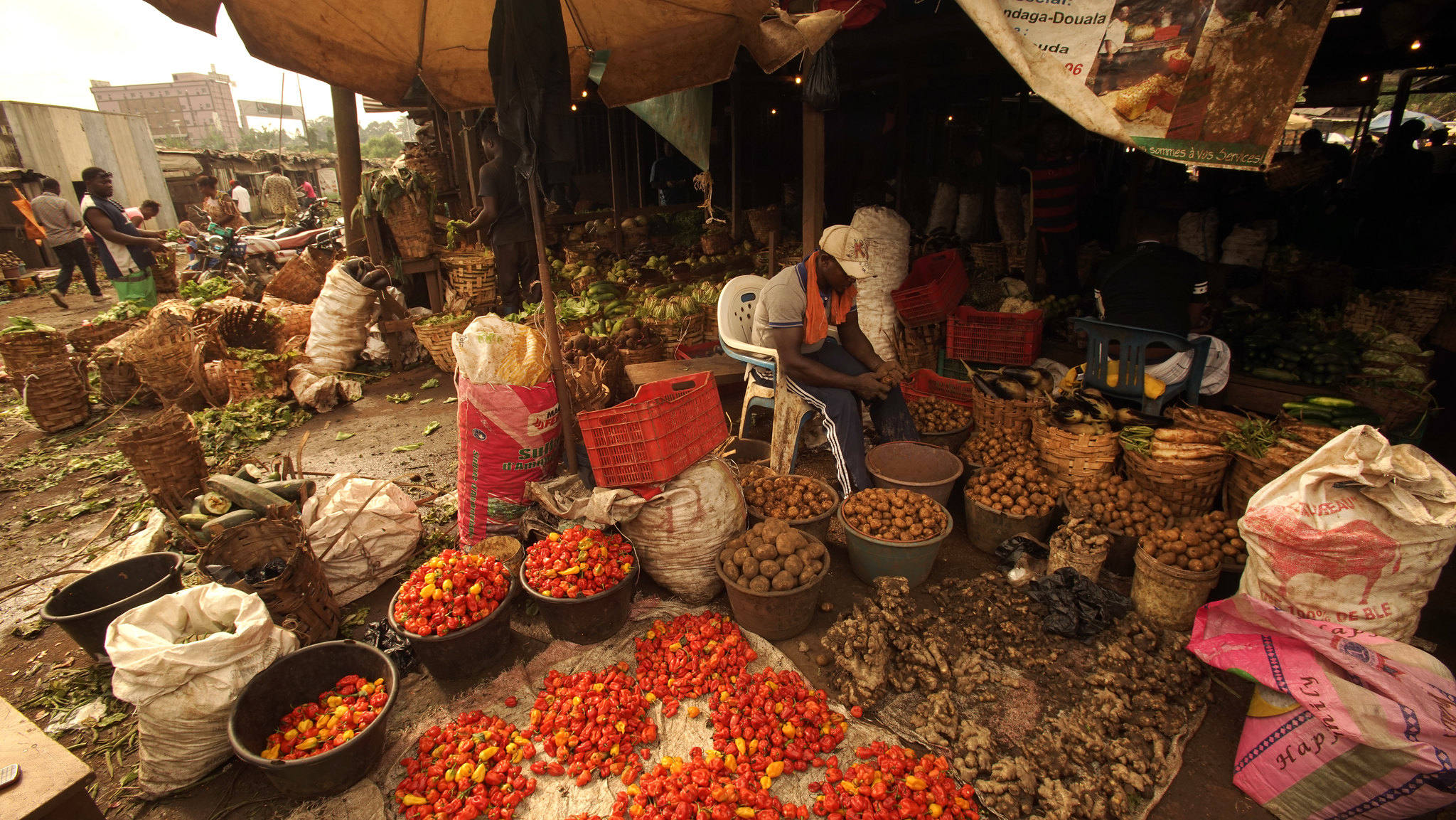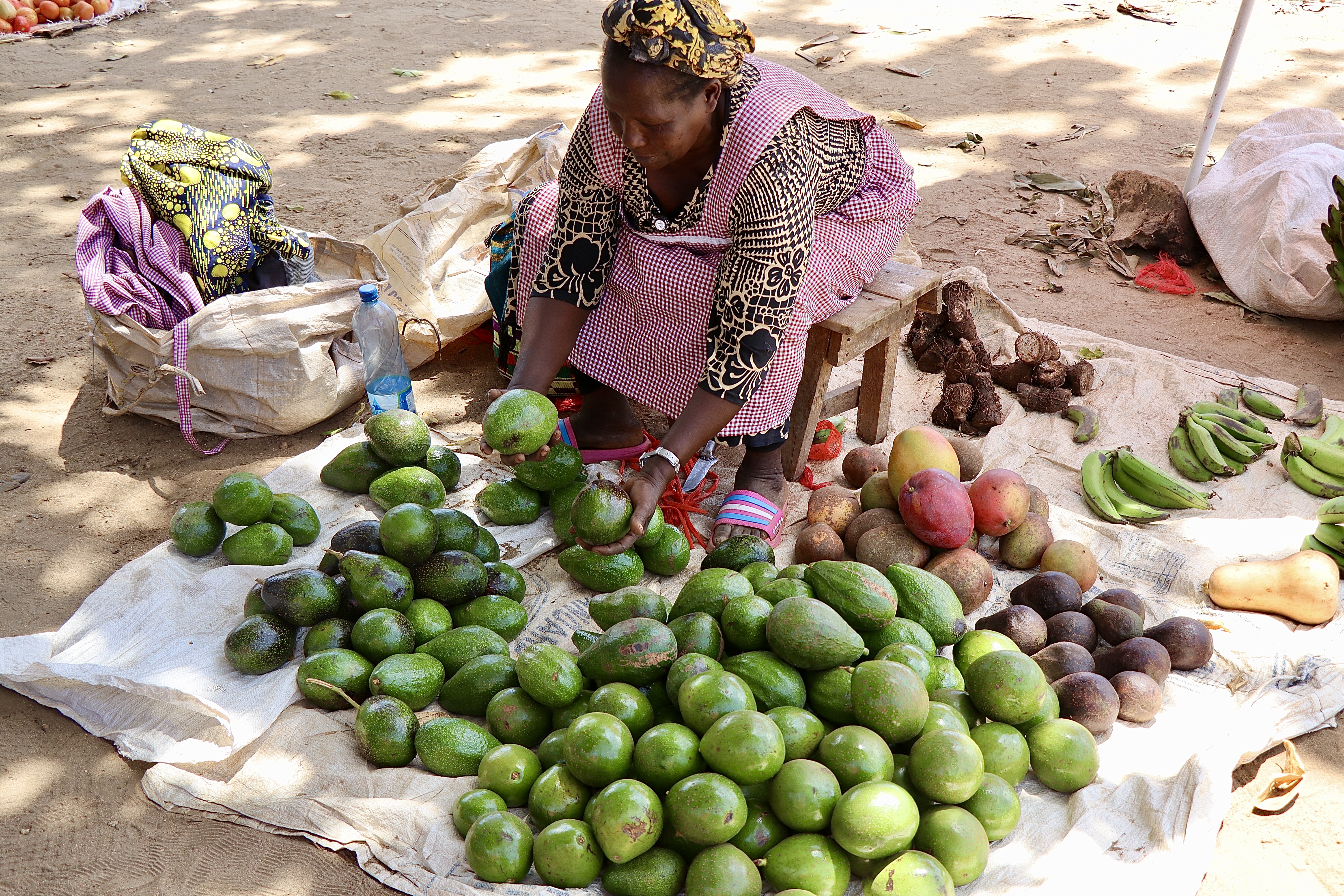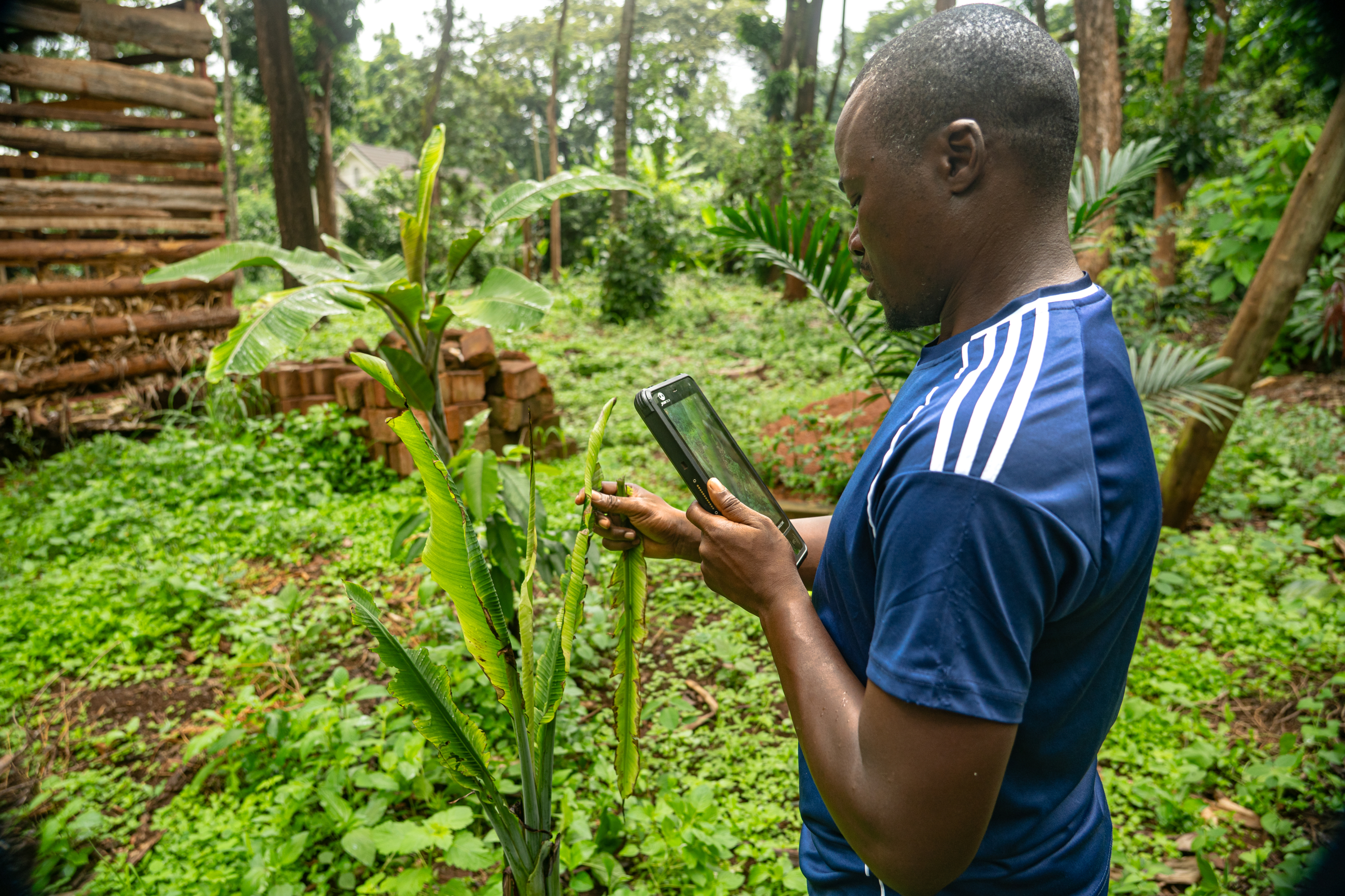
Le PPG vise à soutenir l'élaboration d'une proposition de projet ultérieure en vue de créer un cadre de filtrage systématique, fondé sur des algorithmes, permettant d'identifier et de hiérarchiser les stratégies de réduction des risques liés aux résidus de pesticides dans les exportations horticoles. Le cadre proposé analyserait les risques commerciaux, le comportement des résidus de pesticides, les profils toxicologiques, les prescriptions réglementaires et l'exposition à l'exportation, afin d'identifier les stratégies d'atténuation des résidus les plus appropriées et de les hiérarchiser, y compris celles fondées sur l'utilisation de biopesticides.
Le PPG indiquera également comment le projet qui en résultera appliquerait cette approche dans la pratique pour identifier, hiérarchiser, piloter et valider les stratégies d'atténuation des résidus dans des conditions réelles d'exploitation agricole, ce qui contribuera à améliorer le respect des prescriptions en matière de résidus de pesticides et permettra des interventions plus ciblées et plus efficaces.
La non conformité avec les prescriptions en matière de résidus de pesticides représente un défi important dans les domaines SPS et de la sécurité sanitaire des produits alimentaires nuisant aux exportations horticoles en provenance d'Éthiopie, du Ghana, du Kenya, de l'Ouganda, de la Tanzanie et de la Zambie. Les dépassements des limites maximales de résidus (LMR) et la détection de substances non approuvées sur les marchés d'importation ont entraîné des rejets d'expéditions et une augmentation des contrôles à la frontière, en particulier en ce qui concerne les exportations à destination de l'Union européenne, du Royaume Uni, des États Unis, du Canada et de l'Australie. Entre 2020 et 2025, plus de 280 notifications de résidus de pesticides liées aux pays participants ont été enregistrées par l'intermédiaire du Système d'alerte rapide de l'UE pour les denrées alimentaires et les aliments pour animaux (RASFF), dont environ 75% ont abouti à des rejets à la frontière. Ces faits nouveaux ont accru la "valeur à risque des échanges" pour les secteurs d'exportation touchés.
En outre, plusieurs pays participants font l'objet de contrôles officiels stricts sur certains marchés de destination, ce qui se traduit par des inspections plus fréquentes, des coûts d'analyse plus élevés et des retards pour les produits périssables. Des travaux antérieurs appuyés par le STDF (STDF/PG/694) ont montré que le remplacement, en fin de saison, d'applications de pesticides de synthèse par des biopesticides pouvait réduire les résidus détectables tout en maintenant une lutte efficace contre les parasites. S'appuyant sur ces résultats, le PPG proposé examinera comment une méthodologie structurée et fondée sur les données peut, de manière systématique, identifier et hiérarchiser les combinaisons pesticides biopesticides les plus adaptées selon les cultures, les parasites et les marchés d'exportation, contribuant ainsi à déployer à plus grande échelle des approches efficaces d'atténuation des résidus.