The project's main objective is to enhance stakeholders' capacities within Ghana's groundnut and maize value chains. By integrating phytosanitary measures with broader value chain interventions, the project aims to reduce export rejections and ensure safe food production for domestic, regional and international markets.
Aflatoxin contamination is prevalent in Ghana, primarily affecting staple crops like maize, groundnuts, sorghum, millet, and various animal products, including meat, fish, eggs, and processed foods. Maize and groundnuts and their processed derivatives play a crucial role in domestic and international trade. However, the persistent issue of aflatoxin contamination has led to a decline in Ghana's exports, particularly to the EU, impacting its overall trade performance. Ghana's peanut butter exports to the EU, for example, fell from 2,185 tonnes in 2004 to 6.3 tonnes in 2019. Domestic buyers that purchase in bulk, such as food processors and the World Food Programme, also struggle to source aflatoxin-safe grain.
This project builds on the work done under STDF/PPG/786 "Using evidence for aflatoxin control in Ghana", hich used the STDF's Prioritizing SPS Investments for Market Access (P-IMA) framework to rank the options in Ghana's National Policy for Aflatoxin Control in Food and Feed. Strengthening the capacities of value chain actors to produce safer products for increased market access was identified as the intervention with the highest return.
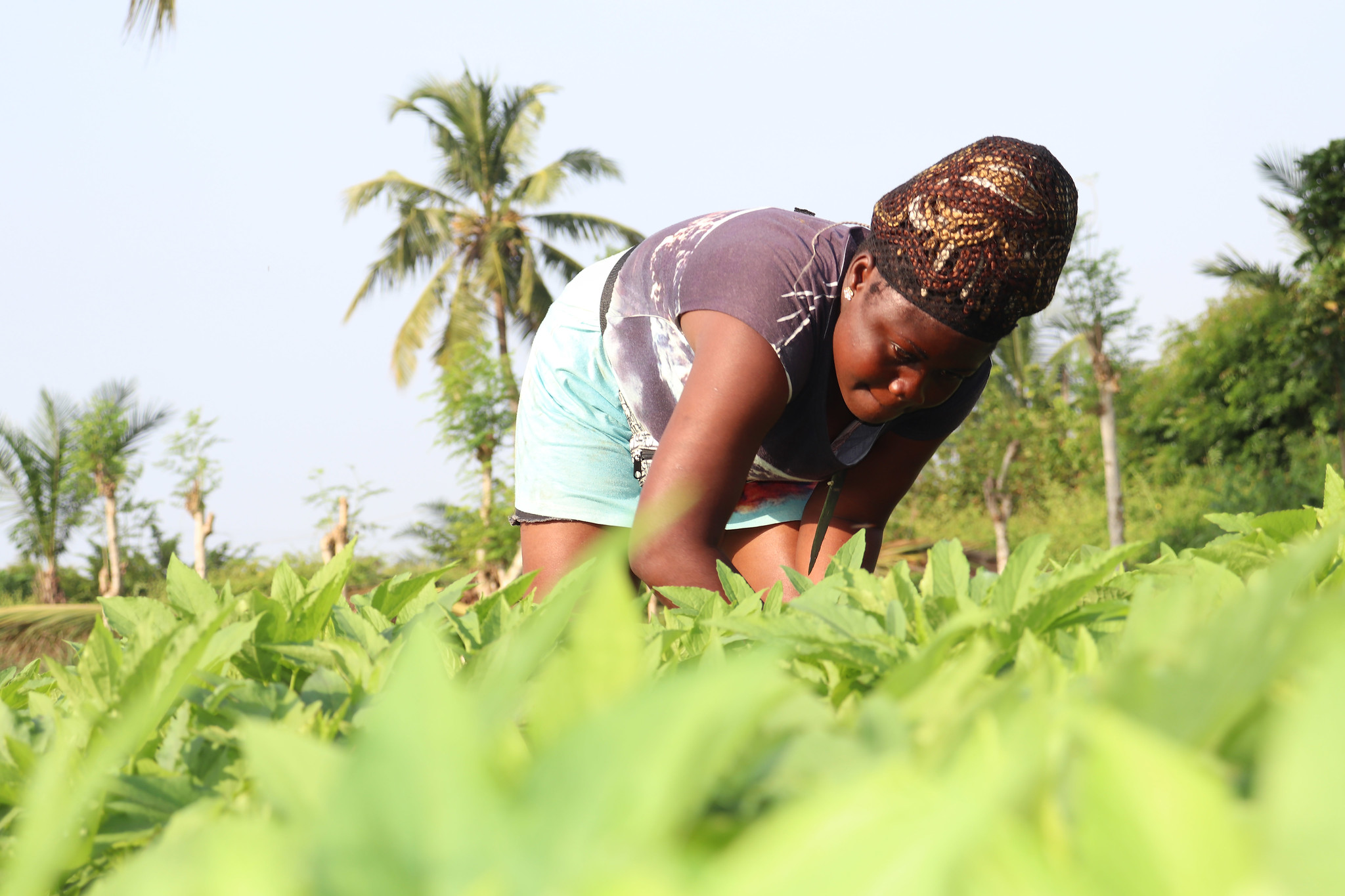
The project works with farmers, aggregators, processors and traders, as well as regulatory and extension staff, in four regions (Ashanti, Bono East, Upper East and Upper West) and in five major markets in Greater Accra. Specifically, the project has five expected results:
- Increased knowledge and skills among value chain actors to comply with aflatoxin specifications in maize and groundnut products.
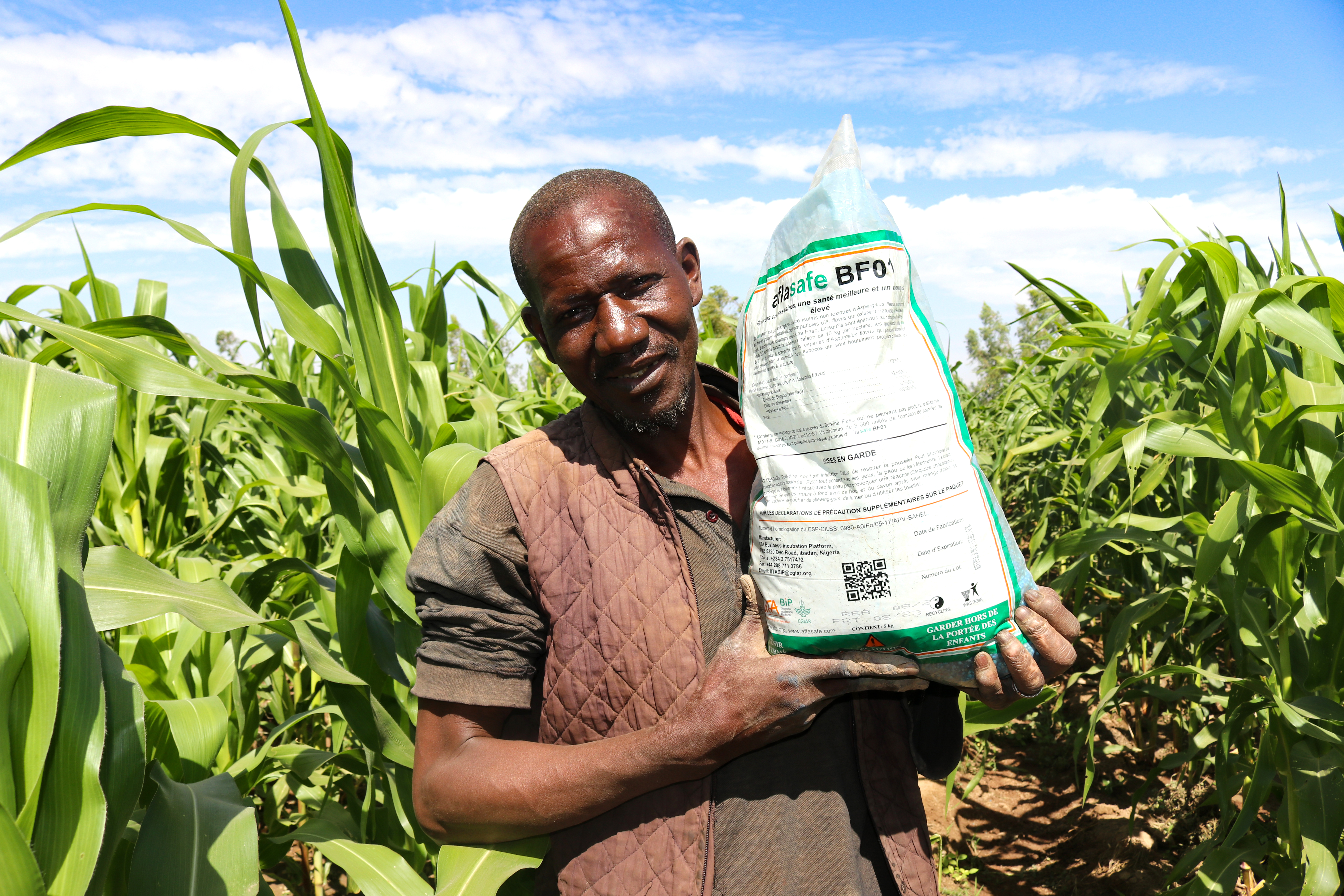
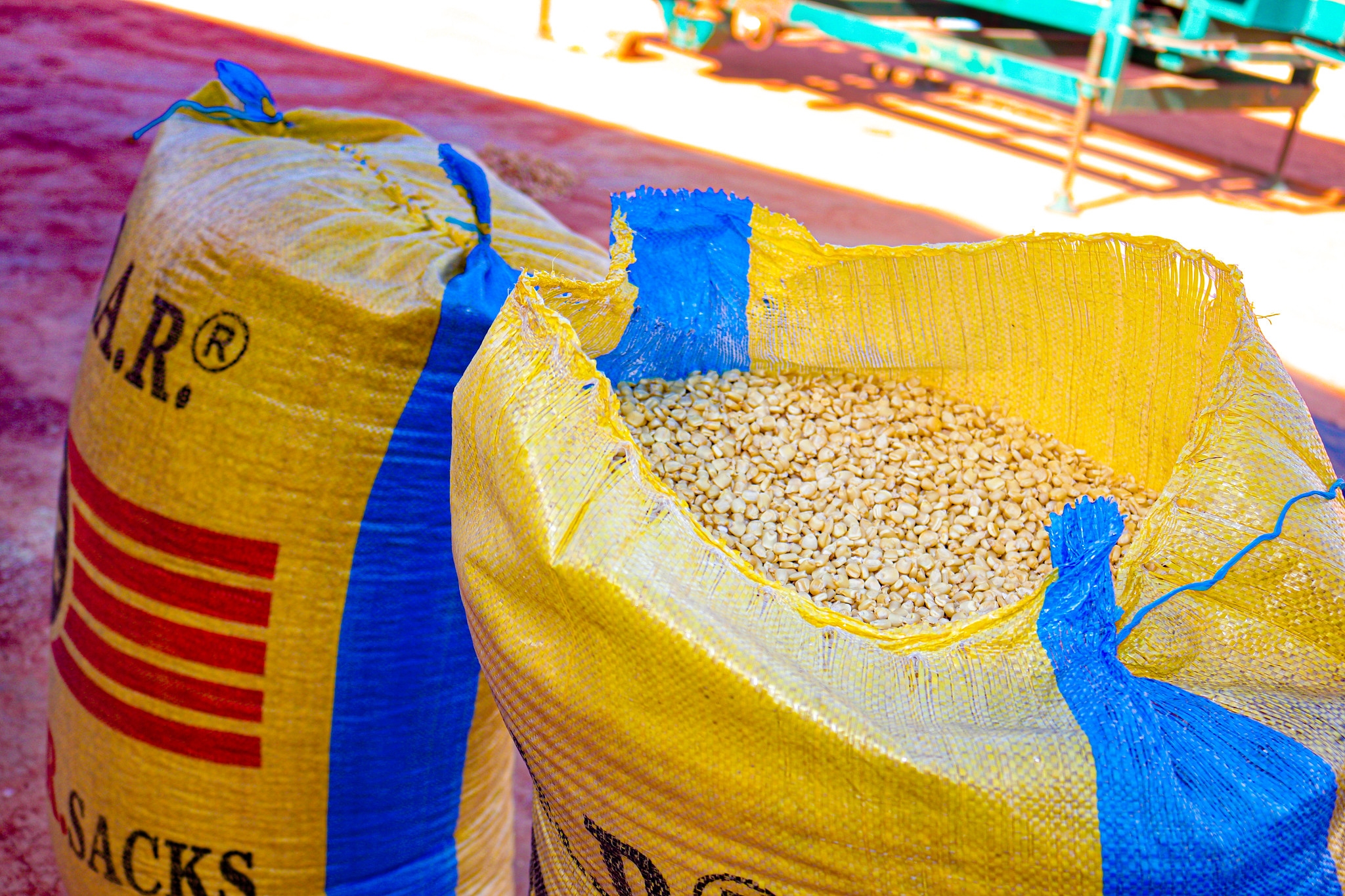
- Improved access to resources for value chain actors, such as hermetic storage bags, moisture meters and biocontrol products, facilitating compliance with aflatoxin control practices.
- Enhanced access and utilization of aflatoxin testing facilities in the designated project districts.
- Implementation of advanced traceability practices and improved access to information and markets through a digitized platform by value chain actors.
- Strengthened gender equality and social inclusion in pre- and post-harvest aflatoxin management, informed by a gender analysis conducted at the start of the project.
Aflatoxin data generated through the project's testing and monitoring activities will also be made available to inform the ongoing work of the Codex Committee on Contaminants in Foods.
By addressing these key areas, the project aims to mitigate the impact of aflatoxin contamination, fostering a safer and more sustainable agricultural trade environment and improving the livelihoods of all actors in the Ghanaian groundnut and maize value chains.