This PPG aims to support the preparation of a comprehensive, investment-ready SPS strengthening programme for Namibia that integrates animal health, plant health, digital certification modernization and multi-sectoral coordination, with a particular focus on the beef, table grape and citrus value chains. Building on existing WOAH Performance of Veterinary Services (PVS) and IPPC Phytosanitary Capacity Evaluation (PCE) assessments, the PPG will identify the most critical SPS gaps and undertake targeted risk assessments to evaluate pest and disease threats, transmission pathways and climate-related risks affecting priority sectors. It will also assess the economic implications of SPS investments by analysing trade-at-risk, the cost of inaction and the expected returns from strengthening veterinary services, laboratory capacity, surveillance systems and digital certification. The PPG will use these analyses to develop a fully designed SPS investment programme, including a results framework, financing strategy and implementation roadmap, for submission to potential funding partners such as the World Bank, IFC, bilateral donors and the STDF.
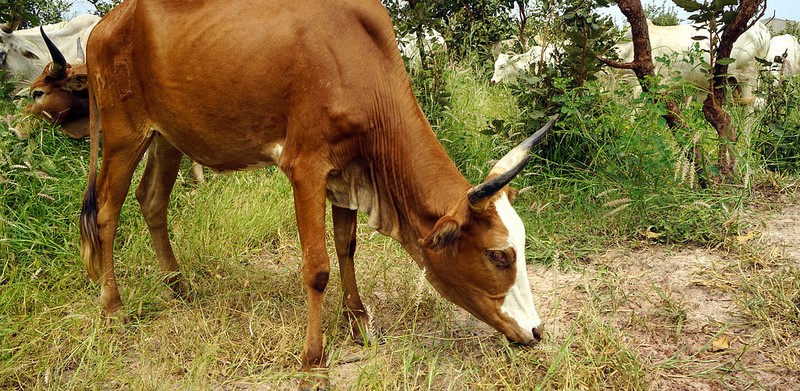
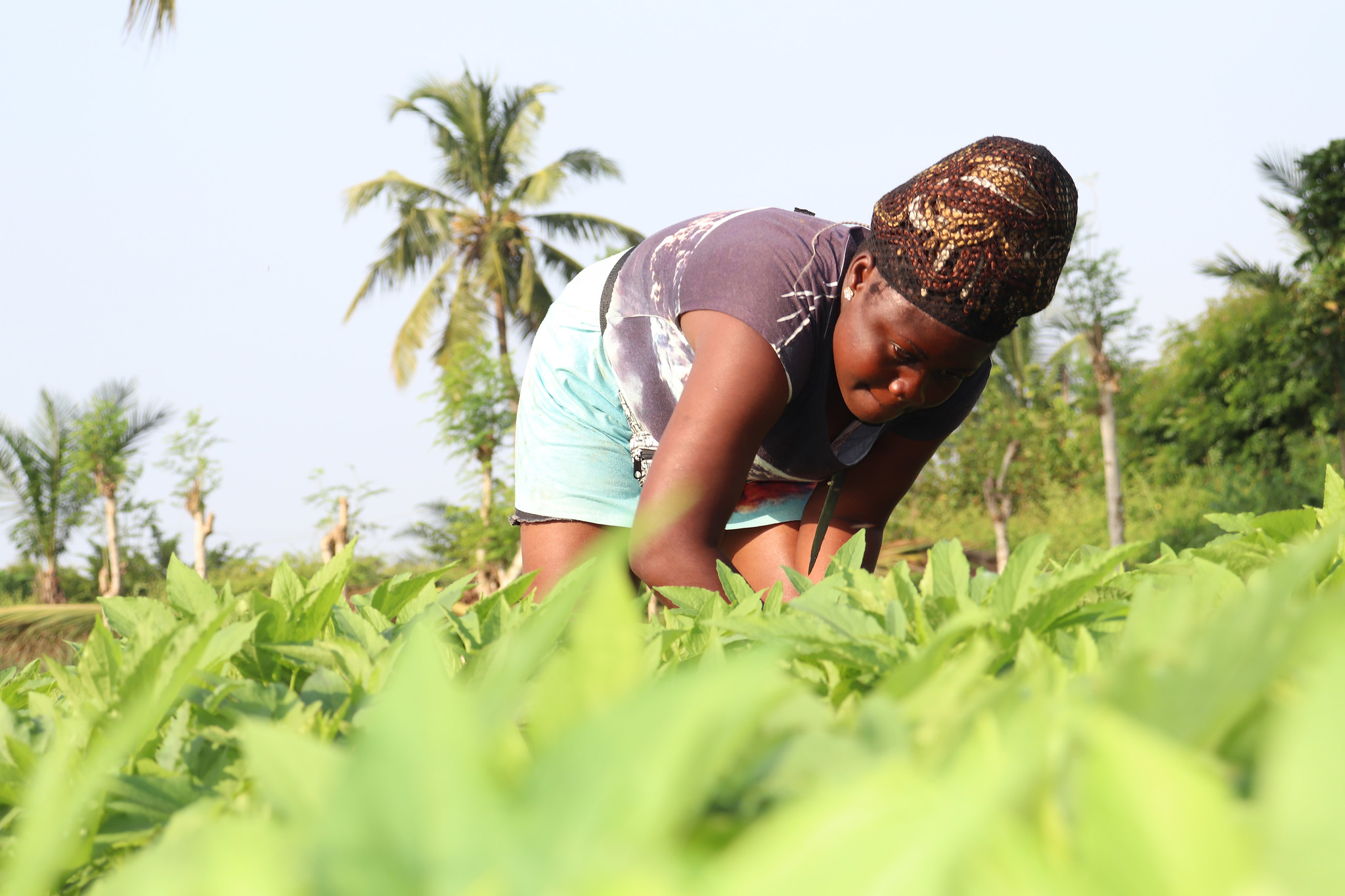
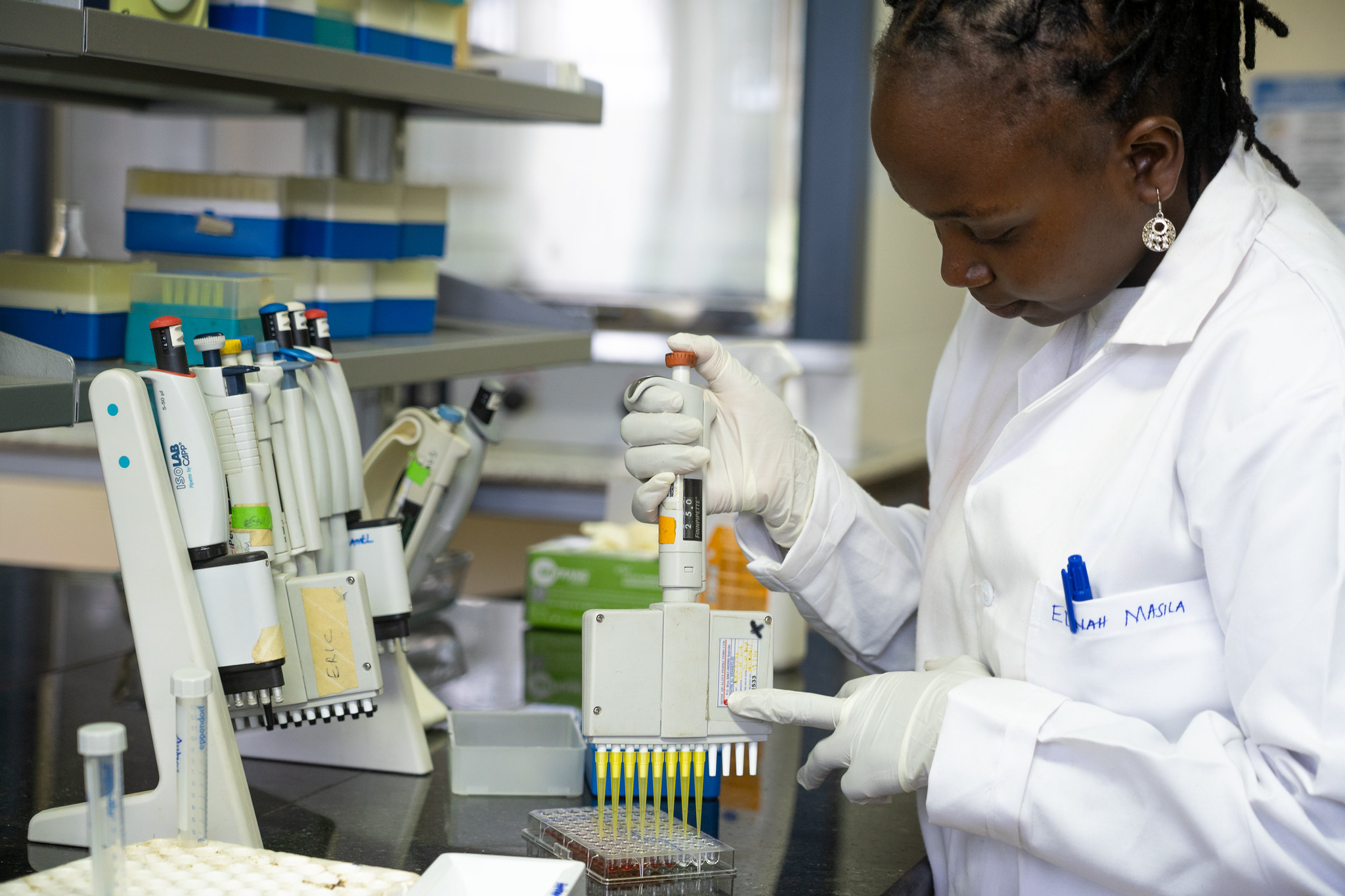
Agriculture contributes around 5.1% of Namibia's GDP, employs more than one-fifth of the workforce and generates about US$1.41 billion in exports annually. Livestock is the country's main export driver, with beef and live cattle exports valued at US$183.7 million, while horticultural exports, including table grapes and vegetables, exceed US$156 million and are among Namibia's fastest-growing non-mineral exports. Namibia’s export competitiveness relies on internationally recognized animal health standards, particularly foot-and-mouth disease (FMD)-free status and compliance with WOAH requirements. However, the latest WOAH PVS assessment (2008) identified gaps in laboratory diagnostics, epidemiological surveillance, risk-based inspections and veterinary workforce capacity. Climate change is increasing risks to both animal and plant health through the spread of transboundary diseases, expanding pest and vector populations, and more frequent droughts that intensify interactions between livestock and wildlife. For plant health, the 2024 IPPC PCE identified weaknesses in pest surveillance, laboratory diagnostics, pest risk analysis and digital certification systems, limiting Namibia’s ability to establish pest-free areas and meet export market requirements for horticultural products such as table grapes, citrus and vegetables.