To address the SPS challenges faced by cashew and sesame exports from Burkina Faso, this project aims to leverage a comprehensive capacity-building initiative to mitigate SPS risks and enhance compliance with international standards. The project will focus on two pilot regions, one per commodity, and work closely with selected cooperatives, transporters, processors, exporters, and relevant public agencies. The project ultimately seeks to reduce the rate of rejected shipments, improve product quality and safety, raise rural incomes and reinforce Burkina Faso’s standing as a reliable supplier of cashew and sesame to international markets.
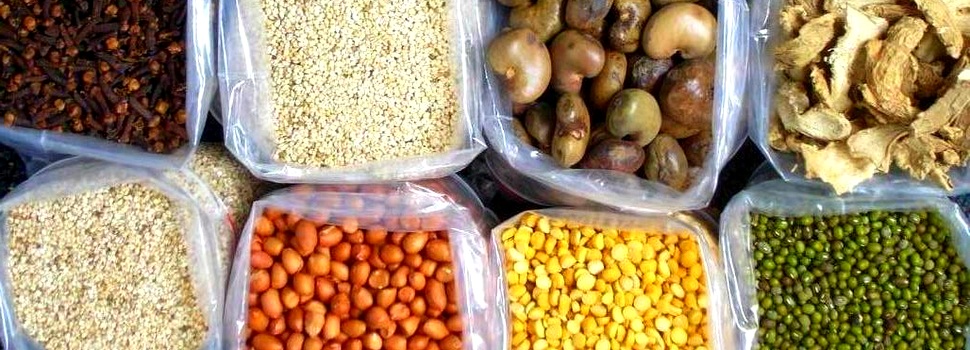
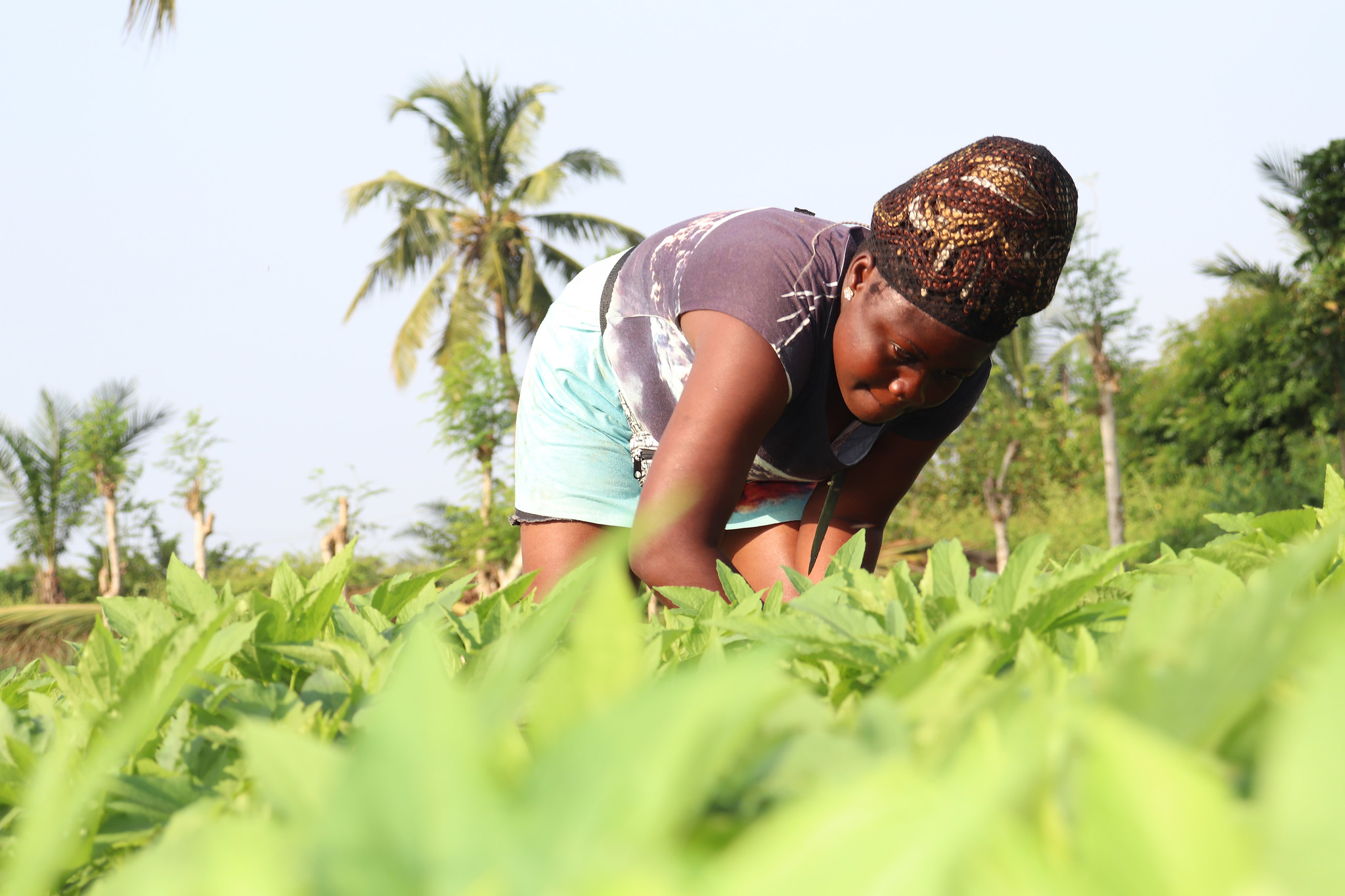
Cashew and sesame are two of the most important export-oriented agricultural products in Burkina Faso, both in terms of revenue generation and their socio-economic impact, especially among rural populations. The steady expansion of the production of raw cashew nuts in recent years has made Burkina Faso the ninth-largest global producer and the fourth in Africa. Cashew also ranks second in agricultural export earnings, generating US$165 million in 2022. Likewise, sesame is cultivated on nearly 400,000 hectares across all 13 regions of the country and accounted for over US$68 million in export revenues the same year, making it the third most important export crop after cotton and cashew. Importantly, these two commodities provide livelihoods for over 3 million smallholder farmers across the country.
Despite the export performance, both sectors face significant SPS challenges that compromise their export potential. A growing number of export consignments have been rejected by importing countries due to non-compliance with international food safety and phytosanitary standards. Between 2020 and 2023, for example, over 3,800 tonnes of raw cashew nuts were rejected in key markets due to the presence of quarantine pests, resulting in significant economic losses of more than US$4.5 million. Strengthening compliance with international standards is therefore essential to safeguard market access and sustain the growth of these sectors.