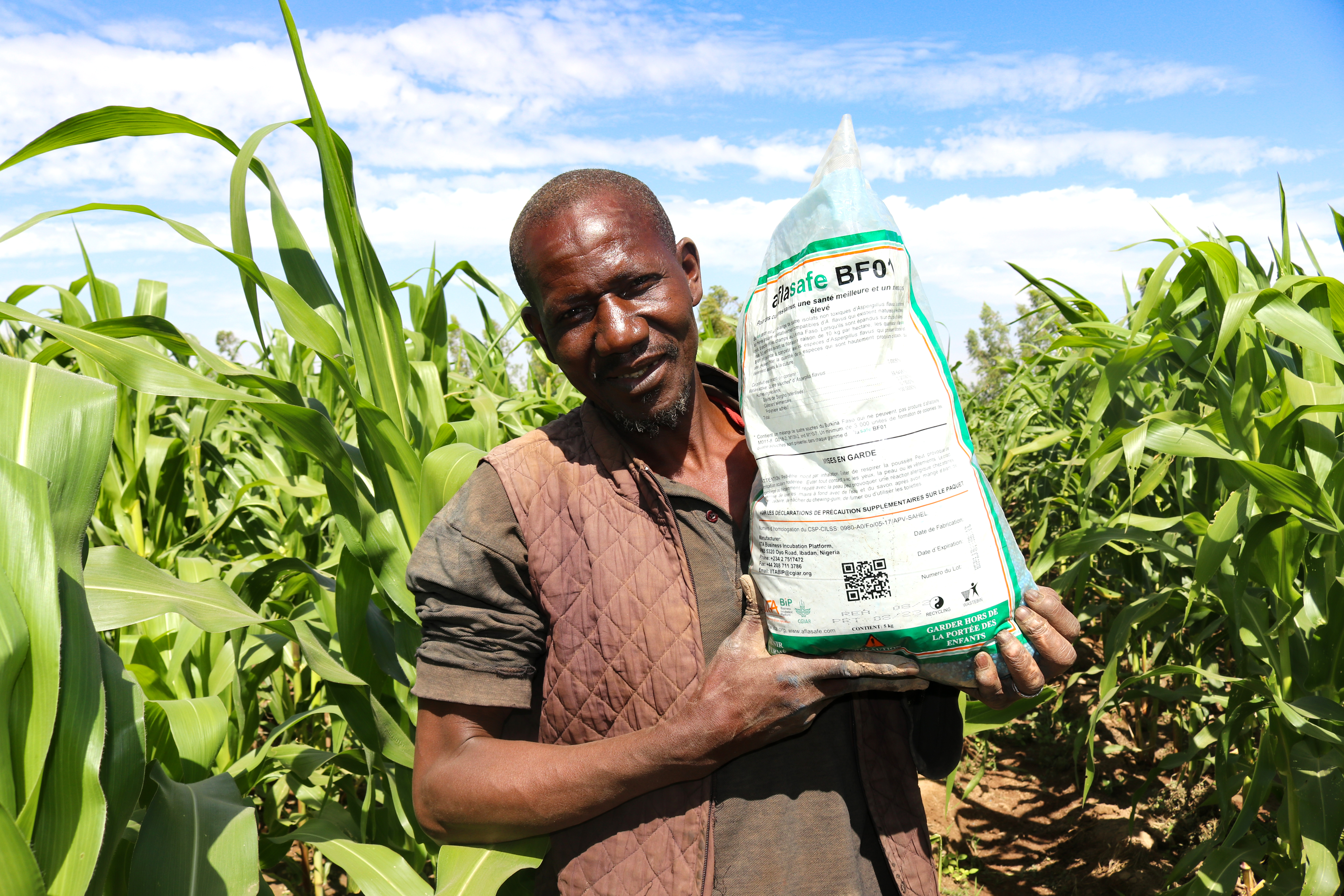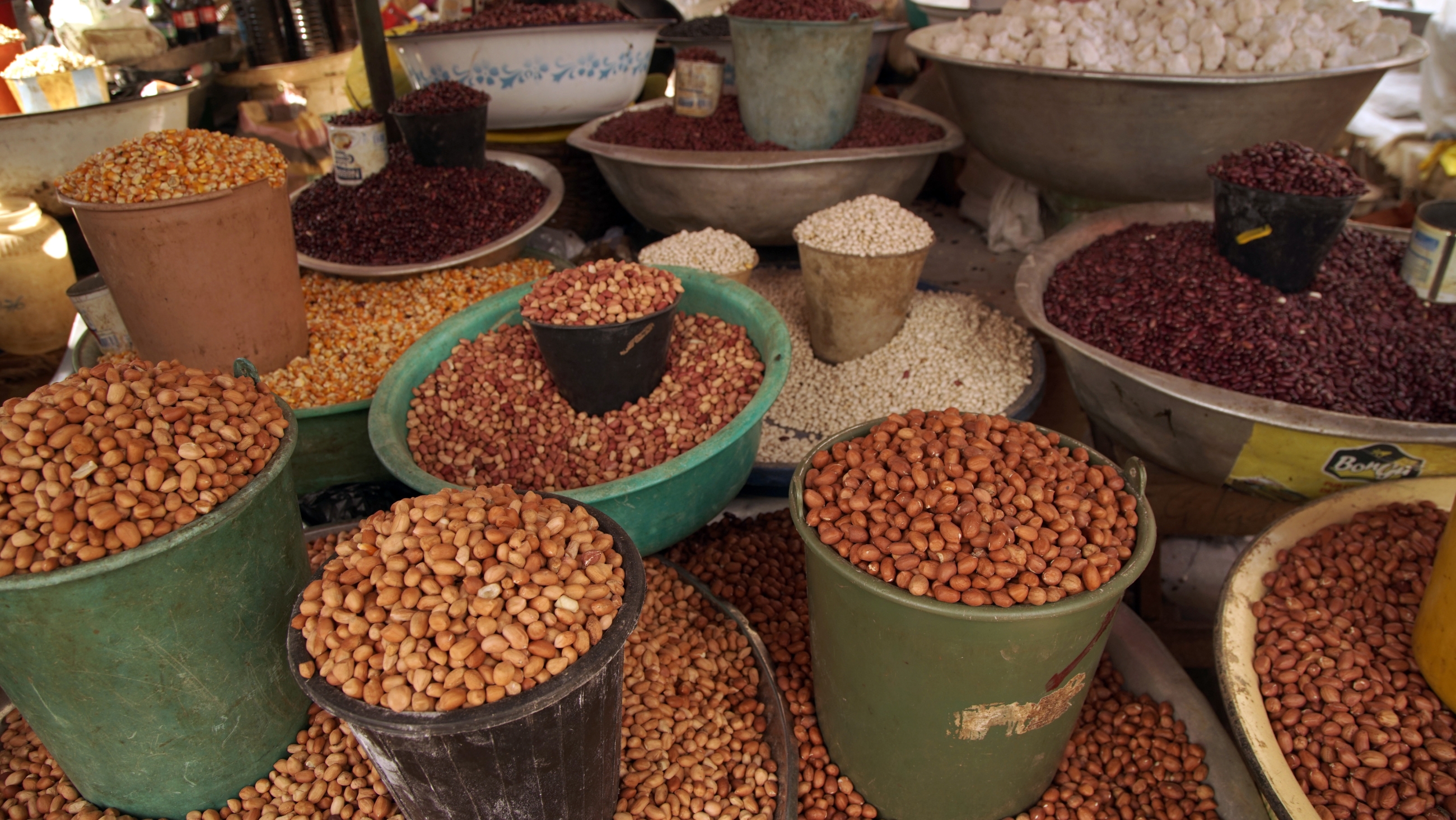
Despite being Africa's largest seed exporter, Zambia faces significant SPS compliance challenges that constrain its ability to scale and diversify seed exports. This includes aflatoxin contamination in maize and groundnut seeds, with some districts recording contamination in up to 68% of groundnut samples, highlighting a systemic gap in Zambia’s ability to ensure consistent seed safety and quality. Zambia’s seed trade is also hampered by counterfeit seeds, quarantine pest outbreaks like Maize Lethal Necrosis (MLN), inadequate SPS infrastructure, including poor storage during seed transit, unharmonized pest lists, and the lack of mutual recognition for laboratory test results. These issues have led to consignment rejections, income losses for both commercial producers and smallholders and reduced trust in Zambian seed exports.
To address SPS challenges across the groundnut, bean, and maize seed value chains, this PPG seeks to develop a project proposal to strengthen national SPS capacities and explore a range of potential intervention areas. These include aflatoxin mitigation, phytosanitary inspection and certification, laboratory accreditation, and improved post-harvest handling, all aligned with international SPS standards.