Image
ALT
Inclusion and Equity

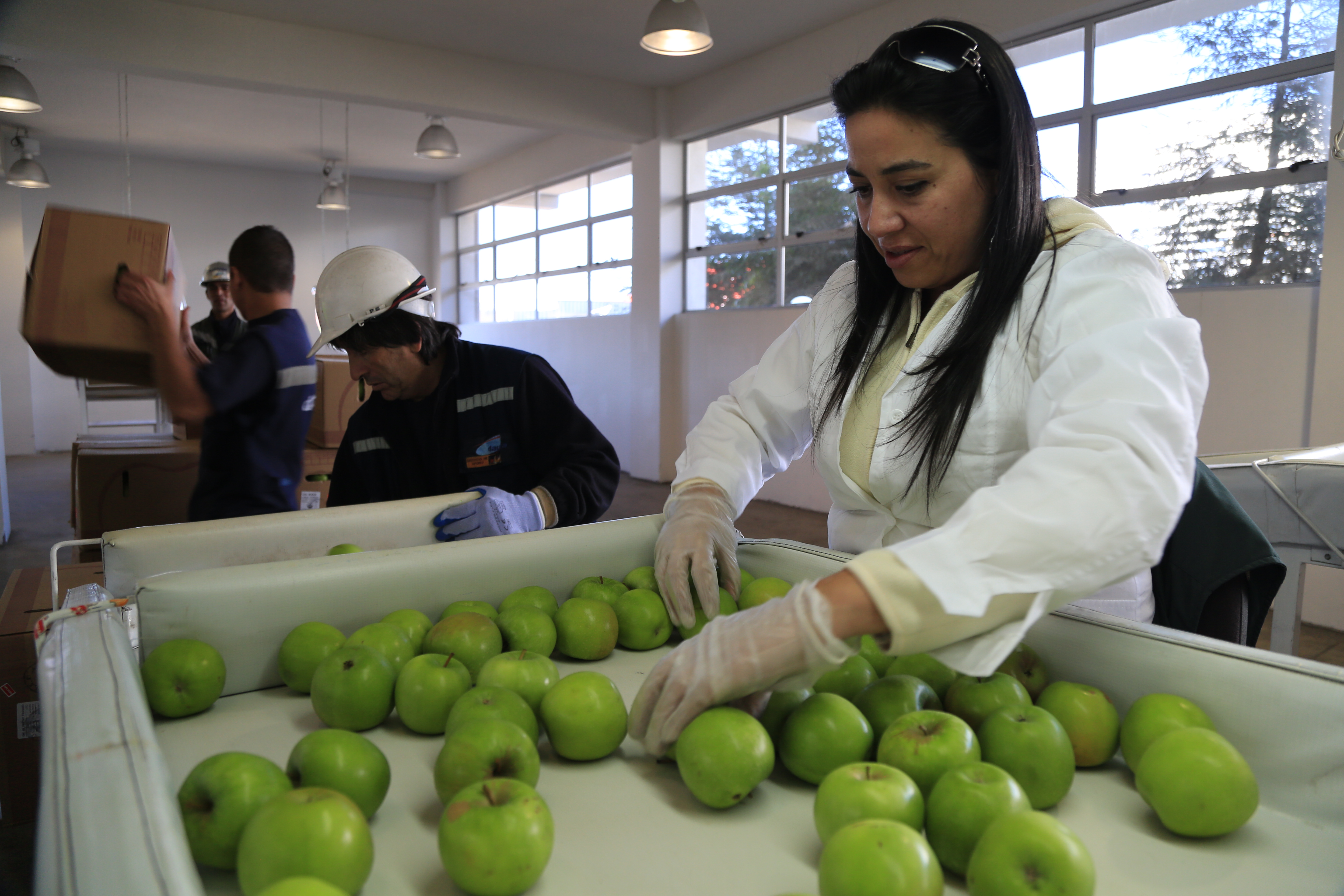
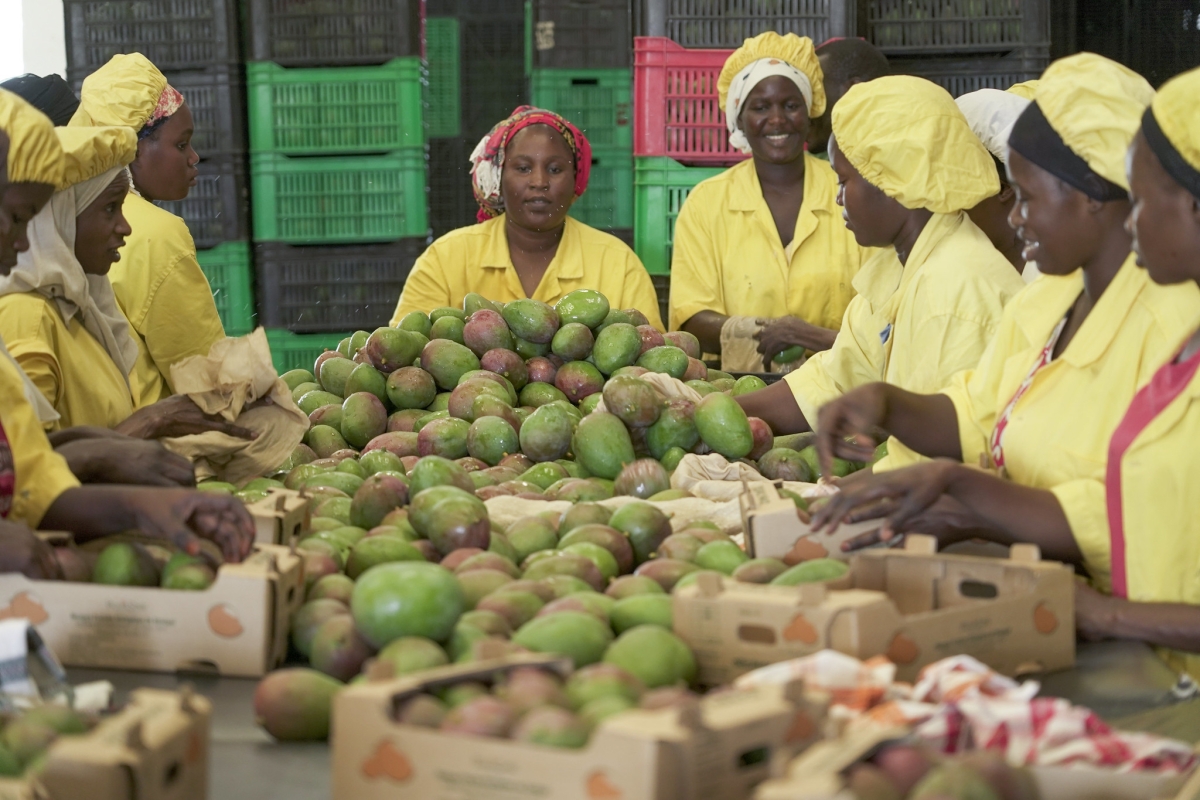
Gender-responsive approaches in SPS systems promote inclusivity and equity. Women play critical roles in agriculture and food production but often face barriers to accessing resources and opportunities. Addressing these gaps ensures that SPS initiatives benefit all stakeholders.

By integrating gender considerations into SPS policies and programmes, countries can empower women, foster innovation, and improve outcomes for communities. Inclusive SPS systems support sustainable development and contribute to resilient food systems.

Body

Gender Analyses conducted in STDF projects


Gender Analyses completed
  • STDF/PG/665, Piloting vTPA programmes to improve public health and trade in West Africa
  • STDF/PG/770, Using digital tools to improve compliance with food safety standards in West Africa
  • STDF/PG/807, Managing scale insects in fresh fruits in East Africa 
  • STDF/PG/842, Piloting a vTPA programme in East Africa to improve food safety in horticulture and fisheries
  • STDF/PG/845, Improving SPS compliance to boost Nigeria's export capacity (sesame and cowpea)
  • STDF/PG/946, Strengthening phytosanitary capacity to promote exports of horticulture products from Senegal
Gender Analyses ongoing
  • STDF/PG/734, Modernizing Bhutan's border management ecosystem to facilitate safe agri-food trade
  • STDF/PG/768, Harmonizing the phytosanitary legislative framework in Central Africa
  • STDF/PG/786, Enhancing aflatoxin management in Ghana's maize and groundnuts 
  • STDF/PG/789, Improving SPS compliance of small-scale cross border traders in Malawi, Tanzania and Zambia
  • STDF/PG/831, Improving the Implementation of SPS Best Practices for Export-Oriented Vegetables in Bangladesh (SAFE-BD)
Gender Analyses planned
  • STDF/PG/856, Enhancing multilateral e-veterinary certification in Latin America and the Caribbean
  • STDF/PG/1000, Improving the use of the ePing SPS&TBT Platform to enhance transparency for market access