8B886FDC-F4F2-4A69-83CB-17AA85C8E87A
Back to Project Grants
Image
ALT
Solutions for Enhanced Agrifood Border Risk Management in Latin America and the Caribbean
STDF/PG/1007
Start:
96D6258C-9C55-4F3E-9D45-DAB554D6EBE7
Status
Awaiting
FF766E94-8490-4D70-AC75-633A89F5FC4F
Project value (US$)
1,256,039
24A0AE9C-F305-4C2F-9712-1E1F25761E9D
STDF Contribution (US$)
999,139
Beneficiaries
Costa Rica, Dominican Republic, Ecuador, El Salvador, Guatemala, Honduras, Peru
Show more
Implementing entities
Inter-American Institute for Cooperation on Agriculture (IICA)
Show more
Partners
Servicio Nacional de Salud Animal Costa Rica (SENASA), Dirección General de Medicamentos, Alimentos y Productos Sanitarios (DIGEMAPS), Agencia Nacional de Regulación, Control y Vigilancia Sanitaria (ARCSA), Agencia de Regulación y Control Fito y Zoosanitario (AGROCALIDAD), Ministerio de Agricultura y Ganadería (MAG), Ministerio de Agricultura, Ganadería y Alimentación (MAGA), Servicio Nacional de Sanidad e Inocuidad Agroalimentaria (SENASA), Autoridad Nacional de Sanidad e Inocuidad en Pesca y Acuicultura (SANIPES), Dirección General de Salud Ambiental de Inocuidad Alimentaria (DIGESA)
Show more

This project aims to strengthen agrifood border risk management in Latin America and the Caribbean by developing a harmonized regional framework to support national risk algorithms and by deploying a modular, interoperable digital Risk-Based Inspection and Surveillance System (RBIS).

The project introduces a modern, risk-based approach to sanitary and phytosanitary (SPS) inspections, using digital tools, artificial intelligence and machine learning to better target risks and optimize inspection resources. The RBIS is designed as a modular system, allowing countries to adopt and scale individual components, such as import, export or domestic inspection modules, based on national needs and capacity. Together, these features support more efficient inspection systems that can keep pace with growing trade volumes, while safeguarding food safety and facilitating trade, and offer a model that can be adapted in other regions.

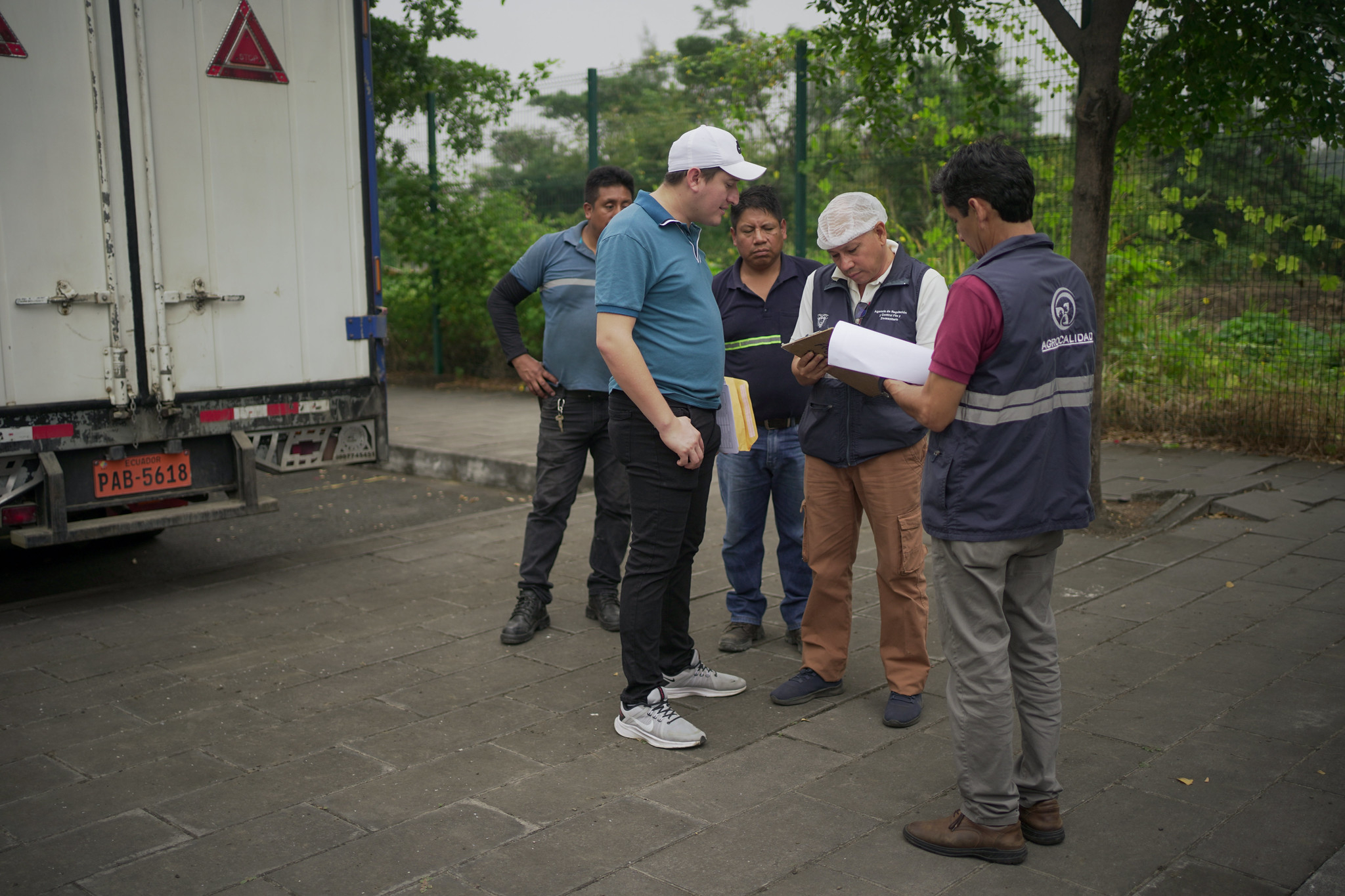
Across Latin America and the Caribbean, agrifood border inspections continue to rely heavily on manual, paper-based processes, with many consignments inspected by default. This approach is increasingly unsustainable as agrifood trade volumes and complexity grow, while inspection resources remain limited. As a result, regulatory agencies face rising operational burdens, inspection delays and reduced capacity to identify and respond to sanitary and phytosanitary (SPS) risks effectively.

Despite the region’s strong role in global agrifood trade, accounting for 17.2% of global agrifood exports in 2024, most countries lack dedicated digital systems to support risk-based inspection and surveillance for imports, exports and domestic production. Bridging these gaps is essential to reduce unnecessary inspection burdens, improve regulatory efficiency and strengthen protection against SPS risks while facilitating trade.
Beneficiaries
380AA7FE-FF76-4962-A05B-0B7106D0A4E9
Costa Rica
Dominican Republic
Ecuador
El Salvador
Guatemala
Honduras
Peru
Close
Partners
380AA7FE-FF76-4962-A05B-0B7106D0A4E9
Servicio Nacional de Salud Animal Costa Rica (SENASA)
Dirección General de Medicamentos, Alimentos y Productos Sanitarios (DIGEMAPS)
Agencia Nacional de Regulación, Control y Vigilancia Sanitaria (ARCSA)
Agencia de Regulación y Control Fito y Zoosanitario (AGROCALIDAD)
Ministerio de Agricultura y Ganadería (MAG)
Ministerio de Agricultura, Ganadería y Alimentación (MAGA)
Servicio Nacional de Sanidad e Inocuidad Agroalimentaria (SENASA)
Autoridad Nacional de Sanidad e Inocuidad en Pesca y Acuicultura (SANIPES)
Dirección General de Salud Ambiental de Inocuidad Alimentaria (DIGESA)
Close
Implementing Entities
380AA7FE-FF76-4962-A05B-0B7106D0A4E9
Inter-American Institute for Cooperation on Agriculture (IICA)
Close