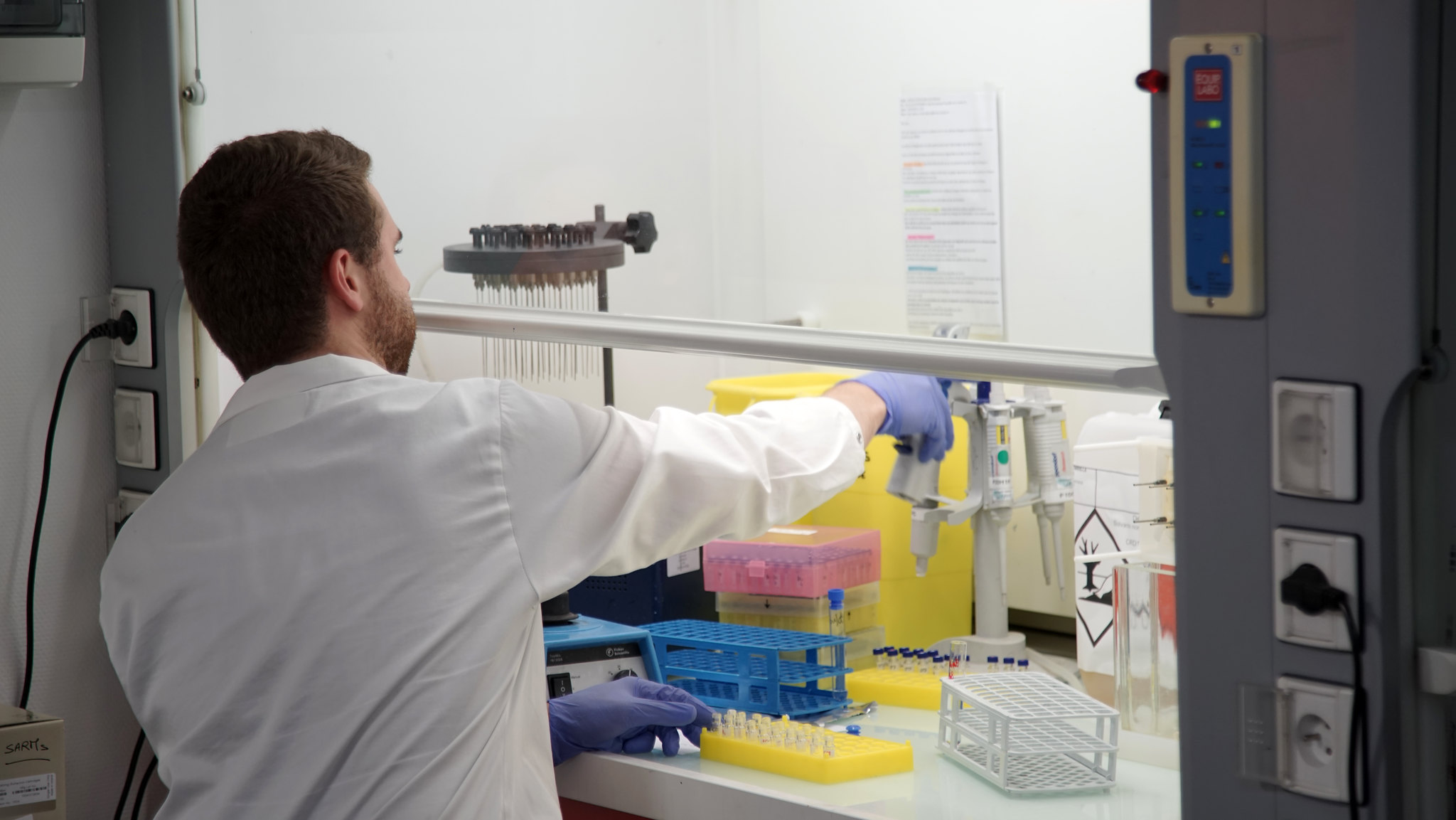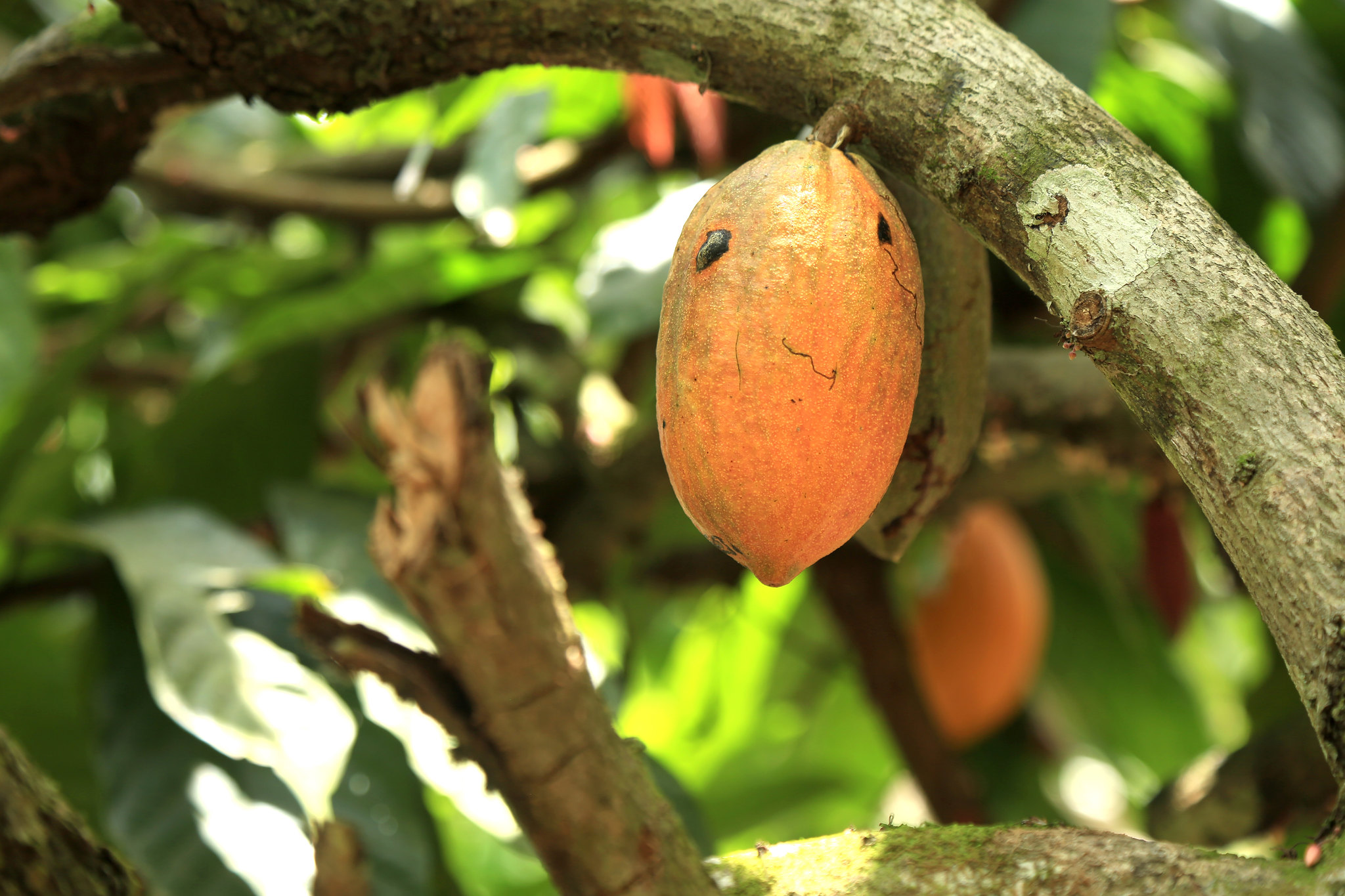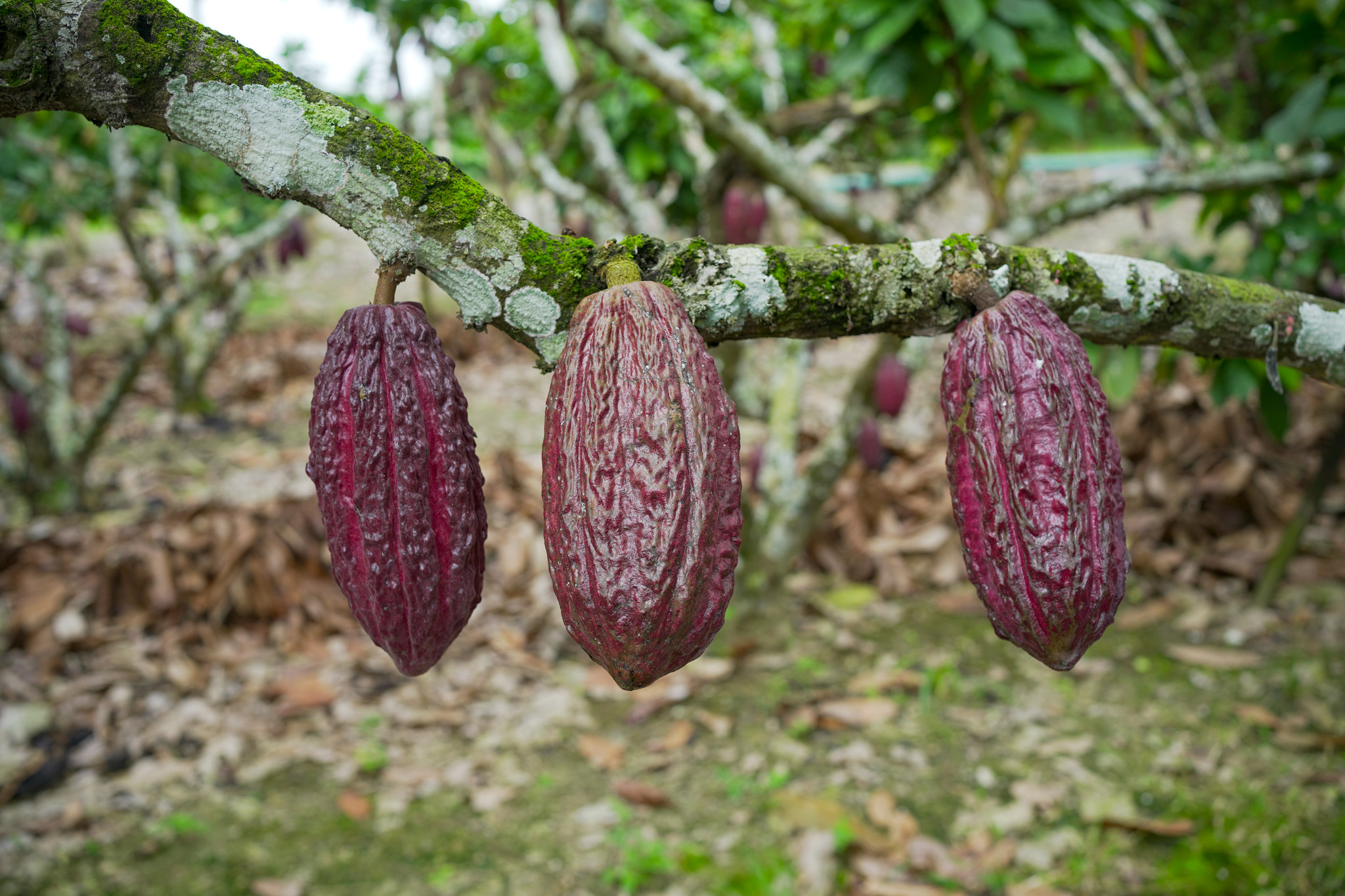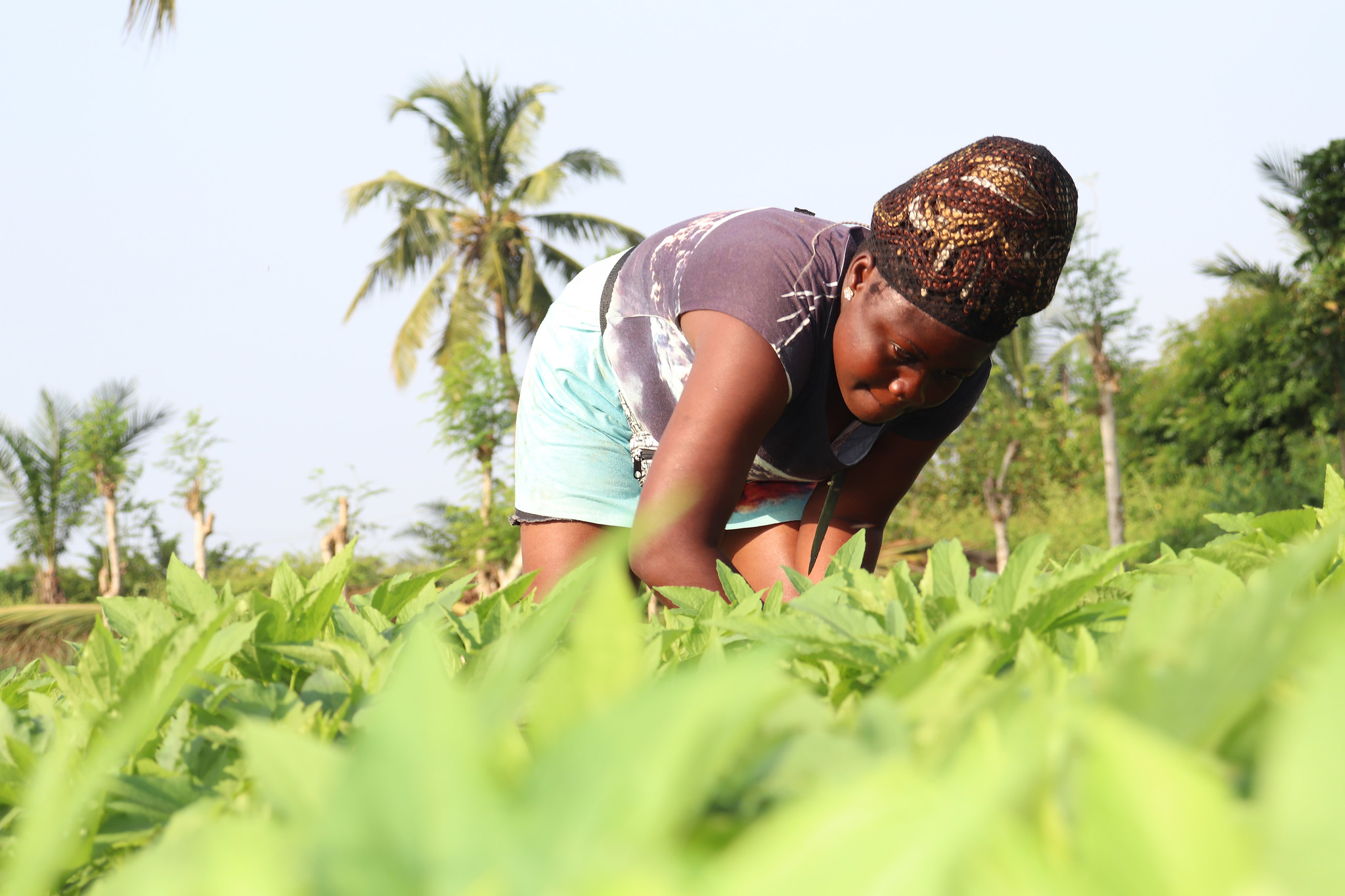
This regional project seeks to strengthen the technical, analytical, regulatory and productive capacities of Colombia, Ecuador and Peru to manage maximum levels of chemical contaminants in key export horticultural products. The initiative responds to increasingly stringent SPS requirements and aims to facilitate safe trade by improving compliance with international Codex standards and market requirements.
The project focuses on four export-oriented value chains,: avocado, asparagus, yellow pitahaya and gulupa (passion fruit), which generate employment and income for many small and medium-sized producers across the Andean region, particularly in rural areas where agriculture remains a primary source of income. Maintaining their competitiveness and continued growth depends on producers and national authorities being able to comply with SPS requirements related to pesticide residues and heavy metal contamination, making the strengthening of SPS systems essential to maintaining market access and export competitiveness.
Exports of fresh fruit and vegetables from the Andean region face increasing SPS challenges as international markets tighten requirements on heavy metals and pesticide residues. Recent notifications from EU and US food registries demonstrate persistent SPS risks related to heavy metals and pesticide residues, which threaten market access, increase trade costs and affect the reputation of Andean exports. Between 2016 and 2025, Ecuador, Colombia and Peru registered a combined total of 163 EU Rapid Alert System for Food and Feed (RASFF) notifications related to cadmium contamination and pesticide residues in fruits and vegetables, notifications increasing steadily since 2020. These trends underline the need to strengthen laboratory capacity, risk-based monitoring, traceability, Good Agricultural Practices (GAP) and risk communication to support compliance with international standards and maintain access to export markets.