At the WTO, conversations around food safety, animal and plant health are never just about regulations, they are also about opportunities. STDF joined a WTO event on 30 September 2025 that took a closer look at challenges and opportunities to strengthen SPS capacity in developing countries for safe trade facilitation. The event was linked to the Declaration on Special and Differential Treatment (S&DT) agreed at the WTO's 13th Ministerial Conference. It explored key challenges and opportunities to build stronger SPS systems in developing countries that support safer trade and participation in global markets.
Technical cooperation and capacity development complements S&DT to help developing countries meet their obligations and benefit from trade opportunities. This includes support provided by the WTO Secretariat and developed WTO Members to developing countries across Africa, Asia and the Pacific, and Latin America and the Caribbean, as well as by the Standards and Trade Development Facility (STDF), a global partnership to facilitate safe trade financed by 11 donors. STDF's programme goal of increased and sustained capacity of public and private sector stakeholders in developing countries for safe trade facilitation is strongly aligned to the WTO SPS Agreement's aim to ensure health protection, while keeping transaction costs as low as possible.
Strengthening transparency on SPS measures facilitates safe trade
Effective trade relationships depend on predictability, confidence and trust. As highlighted in STDF's Guide on Good Regulatory Practice (GRP), transparency on SPS measures and regulations is key to build this trust and to ensure that micro, small and medium-sized enterprises (MSMEs) and other value chain actors can benefit fully from trade opportunities.
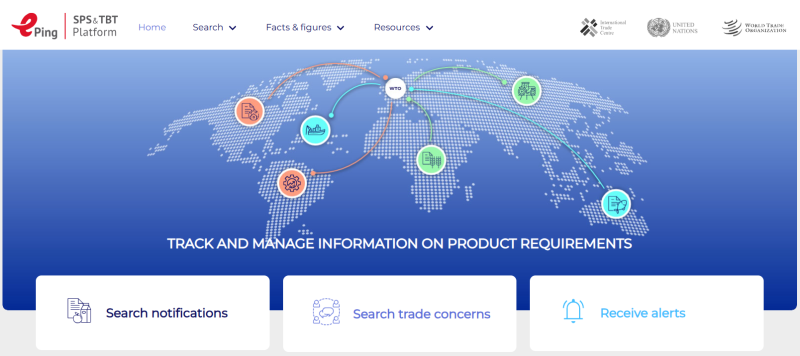
The ePing tool is an online platform aimed at strengthening transparency about SPS and technical barriers to trade (TBT) measures. Developed by WTO with other partners, ePing enables stakeholders to track and respond to notifications on draft measures, helping them stay informed about regulatory changes that may affect international trade. Yet while tools like ePing exist, sometimes they're simply not being used enough. An STDF regional project aims to change this situation. Working in Kenya, Namibia, South Africa, Tanzania and Uganda, the project will mobilize public and private stakeholders to promote the use of ePing and improve transparency for market access. Learning from the project will inform efforts to scale up ePing globally.
Building trust across government agencies and with the private sector improves trade results
Dialogue and coordination across different parts of government and with the private sector is also good regulatory practice. Public-private dialogue and coordination ensures that trade policies and reforms are inclusive, practical and responsive to real-world needs. Yet, as highlighted during the WTO event, achieving effective coordination on SPS measures remains a real challenge in many developing countries due to numerous reasons including capacity constraints and information and knowledge gaps.
The STDF has long promoted improved dialogue and coordination across different parts of government involved in SPS measures and trade, as well as with the private sector. Practical lessons about how to strengthen public-private partnerships for improved SPS systems are documented in the STDF PPP Guide and PPP case stories. Strengthening collaboration and building trust is at the heart of many STDF projects at the national and regional level. These experiences show that when stakeholders from the public and private sector come together to discuss SPS issues affecting producers, traders and other value chain actors in their countries, this leads to increased understanding about their respective roles, shared goals and how they can cooperate to better address the challenges faced.
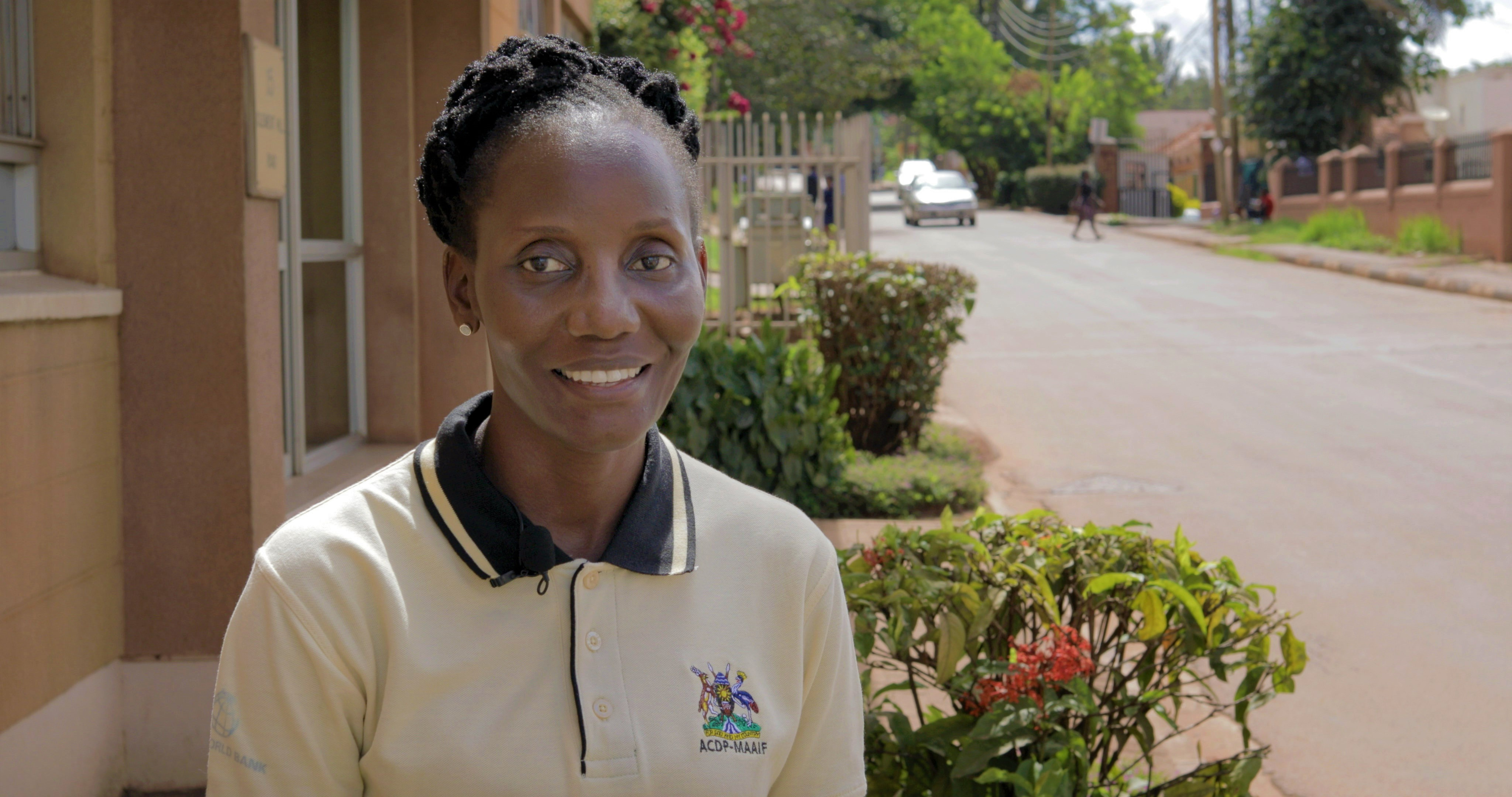
For instance, in Uganda, STDF support helped strengthen the country’s ability to meet food safety and phytosanitary requirements for fresh fruit and vegetable exports. As Ms Brenda Joyce Kadu-Kisingiri, Senior Agricultural Inspector at the Ministry of Agriculture, Animal Industry and Fisheries, shared during the session, “Between 2011 and 2023, Uganda had accumulated significant evidence of export rejections due to pests such as fruit flies and false codling moths... Based on this scenario and our status as an LDC, we applied to the Standards and Trade Development Facility for project grants to address the root causes of non-compliance — weak official controls, lack of coordination, and poor agronomic practices.”
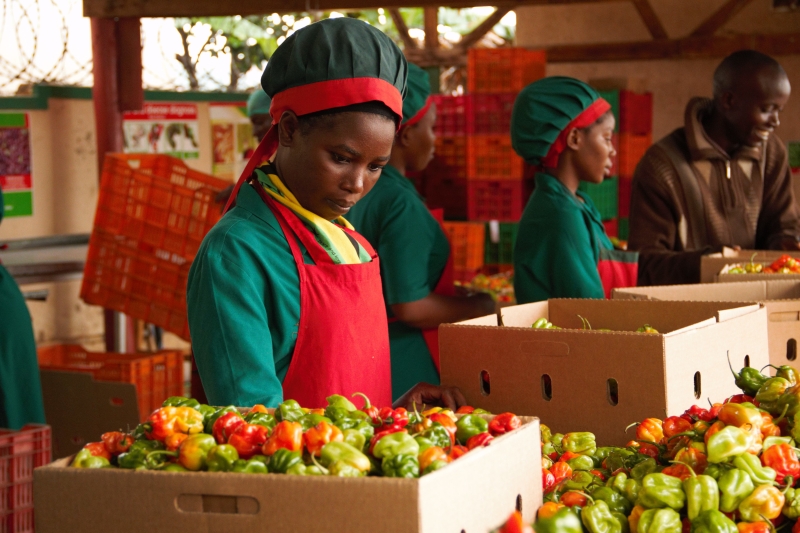
The STDF project created a public-private coordination platform – engaging government officials, producers and others – to improve inspection and certification procedures. This led to reduced interceptions due to quarantine pests. For instance, interceptions related to false codling moth on chillies dropped by over 90% since 2018, improving agricultural traders’ access to foreign markets. The project encouraged private sector development, contributing to a rise in the number of horticultural exporting companies, and catalysed additional EU assistance of US$8 million to help regulators and farmers tackle other challenges related to pesticide residues.1
Showing the business case for SPS investments is vital
Sharing The Gambia’s experience, Mr Abdoulie Jalloh, Principal Food Inspector at the Food Safety and Quality Authority, noted that “we have benefited from technical assistance and capacity development from the WTO and from the STDF.” He explained that through an STDF Project Preparation Grant (PPG), The Gambia used the STDF's Prioritizing SPS Investments for Market Access (P-IMA) framework to identify which national value chains offer the highest potential returns. “We looked at all the national value chains... and the analysis showed that cashew was the better value chain to focus on”.
Use of the STDF's P-IMA framework in The Gambia indicated that a total investment of US$3.5 million to address SPS needs in six different value chains would yield US$52 million in expected trade benefits. Involving diverse public and private sector stakeholders in the country, the process facilitated public-private sector dialogue about SPS priorities, contributing to improved awareness and a shared understanding about the challenges and opportunities. Building on the P-IMA analysis, efforts are underway to leverage resources and investments to strengthen cashew export capacity and address SPS constraints in other value chains.
Challenges & opportunities ahead
With SPS risks continuing to evolve, demand for SPS capacity development outstrips supply and continues to grow. Applications to the STDF have more than tripled since 2022. This increases the urgency to ensure adequate resources to deliver the STDF Strategy for 2025-2030. At the same time, the environment is increasingly challenging, as highlighted during an STDF official side event for the Financing for Development Conference in July 2025. Overseas Development Assistance (ODA) is projected to fall by up to 17% by 2025, making it more important than ever to identify additional sources of innovative financing and clearly show the business case of SPS investments.
The STDF is already taking steps to address challenges in the changing landscape. A new study on non-traditional financing sources will explore opportunities in climate, green and health funds. The Facility is also seeking greater alignment with alternative financing sources at the country and regional level, and deepening relationships with South-South partners and other relevant programmes to leverage complementary efforts where possible.
Scaling innovation for improved results and impacts in the future
STDF's innovative safe trade projects and knowledge work have long focused on catalysing change. STDF's ePhyto project is an excellent example. Following the STDF pilot project, which established the IPPC's global ePhyto Hub and developed a generic system for developing countries to send and receive e-Phytos, 96 countries are now exchanging electronic phytosanitary certificates and nearly 50 are testing the system. Building on this success, a new STDF regional initiative in Latin America and the Caribbean is scaling the e-cert model for e-Veterinary certificates.
Looking ahead, STDF’s 2025–2030 Strategy places greater focus on scaling successful SPS innovations. A recent case study with the Scaling Community of Practice found that STDF achieves outsized results for its size by catalysing change through its partners, in addition to the benefits of direct project implementation. Building on this, STDF aims to deepen engagement with the private sector, finance institutions and development banks to scale what works.
STDF’s success continues to rest on trust, collaboration and shared purpose. Multilateralism remains the surest path to safe, inclusive and sustainable trade. The STDF’s partnership approach offers a proven way to make global commitments deliver results for people on the ground in developing countries, and facilitate safe trade globally.
FIND OUT MORE:
Selected STDF Projects and PPGs:
- STDF PG 571: Strengthening the phytosanitary and food safety system in key value chains
- STDF PG 543: Enhancing the capacity of Uganda's fruit and vegetable sector to comply with EU Phytosanitary requirements
- STDF PG 1000: Improving the use of the ePing SPS&TBT Platform to enhance transparency for market access
- STDF PPG 921: Scaling up the P-IMA tool in The Gambia
Additional information:
- Additional information about S&DT – as well as a recording of the thematic session – is available on the WTO website.